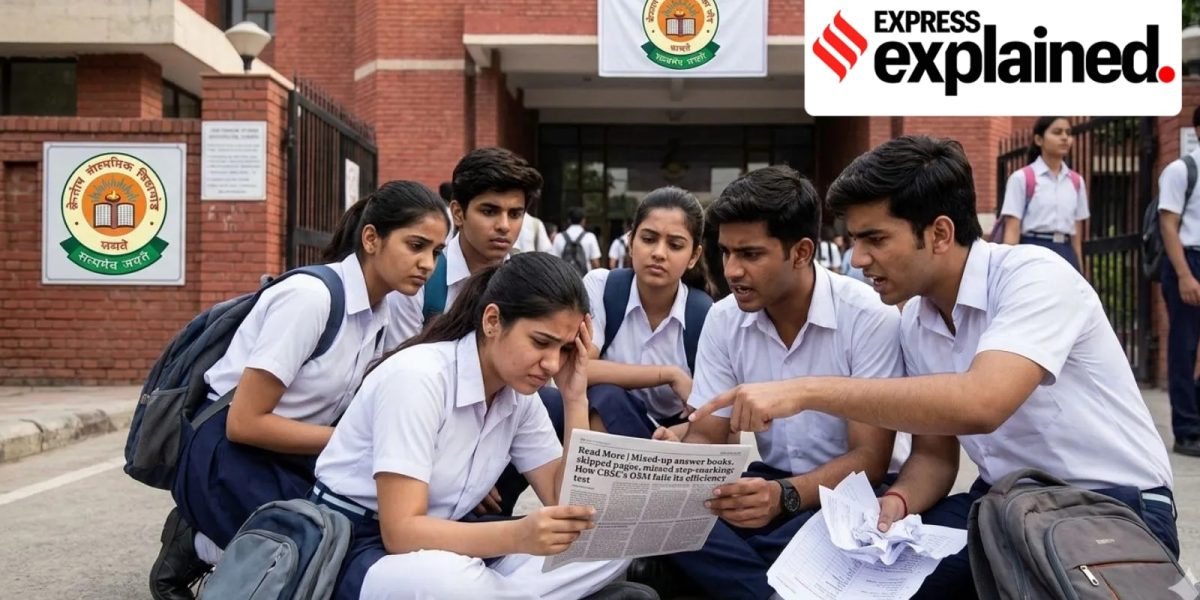
**CBSE’s On-Screen Marking System: A Global Perspective**
The Central Board of Secondary Education’s (CBSE) decision to implement a digital evaluation system for Class 12 exams via On-Screen Marking (OSM) has sparked controversy, with students reporting issues like blurred images and inaccurate grades. But is this system really a departure from global practices?
**How OSM Works**
The OSM system uses AI-powered algorithms to evaluate answers, scanning student responses and assigning marks based on their accuracy. This process is supposed to eliminate human bias and ensure consistent grading. But, as with any technology, there are potential flaws. In this case, students in India are reporting issues with image quality, which can lead to inaccurate evaluations.
**Global Practices: From AI-Powered Grading to Human Evaluation**
The use of AI in grading is not unique to India. Many countries, including the United States, the United Kingdom, and Australia, have started exploring AI-powered grading tools. However, these countries still maintain a human element in the evaluation process, using AI as a supplement rather than a replacement. In the US, for example, many universities are using AI-powered grading tools to help instructors evaluate large assignments, but human teachers still review and finalize grades.
**What This Means for Indian Students**
The CBSE’s decision to adopt a fully digital evaluation system raises concerns about the accuracy and fairness of the grading process. Students in India will need to be vigilant and advocate for themselves to ensure their grades are accurate. This incident also highlights the need for CBSE to invest in robust infrastructure and training for teachers to effectively use the OSM system.
The CBSE needs to address the issues with image quality and ensure that the AI-powered algorithms are fair and transparent. By learning from other countries’ experiences with AI-powered grading, India can develop a more effective and equitable evaluation system that benefits students.