A quarter of Cuba’s workforce is now employed in the private sector, marking a significant shift in the country’s economic landscape.
For decades, Cuba’s socialist revolution had been synonymous with state-controlled economies and limited private enterprise. But since 2023, the island nation has been undergoing its biggest economic transformation in decades, with private firms and small businesses making a comeback.
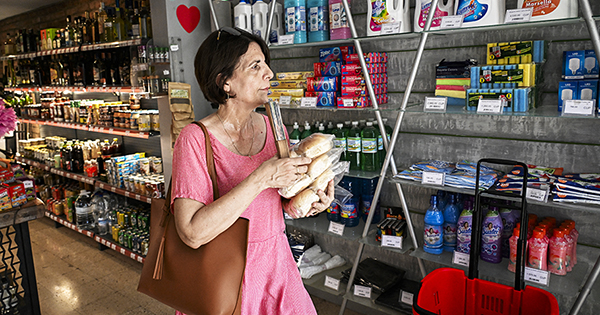
As I stepped into the KO Mercado minimart in Havana’s Vedado neighborhood, the air was thick with the smell of fresh fruit and the hum of activity. The minimart’s owner, **Yosvany Reyes**, proudly showed me his thriving business, which now employs six people, including his daughter and son.
The Cuban government has implemented a slew of market-friendly reforms, allowing individuals to open their own businesses and operate without the red tape that once stifled entrepreneurship. According to official statistics, there are now over 600,000 state-approved private businesses in the country, employing around 25% of the workforce.
So, has this private sector revival brought about a corresponding shift in Cuba’s politics? Unfortunately not. The socialist revolution remains firmly intact, with the Communist Party maintaining its grip on power. President **Miguel Díaz-Canel**, who rose to power in 2022, has continued to emphasize the importance of socialism in Cuba’s economic development.
Analysts argue that Cuba’s government is using market reform to shore up its socialist regime, rather than embarking on a genuine path towards liberalization. By allowing private enterprise to flourish, the government gains access to much-needed foreign investment and technology, bolstering its own legitimacy.
What this means
For the ordinary Cuban, this private sector revival offers new opportunities for employment and economic mobility. Small business owners like Yosvany Reyes are creating jobs and generating income, which will likely lead to improved living standards.
However, the lack of political reform raises questions about the sustainability of Cuba’s socialist model. Can a system that allows private enterprise to flourish while maintaining state control over politics and the economy truly be called socialist? Only time will tell.