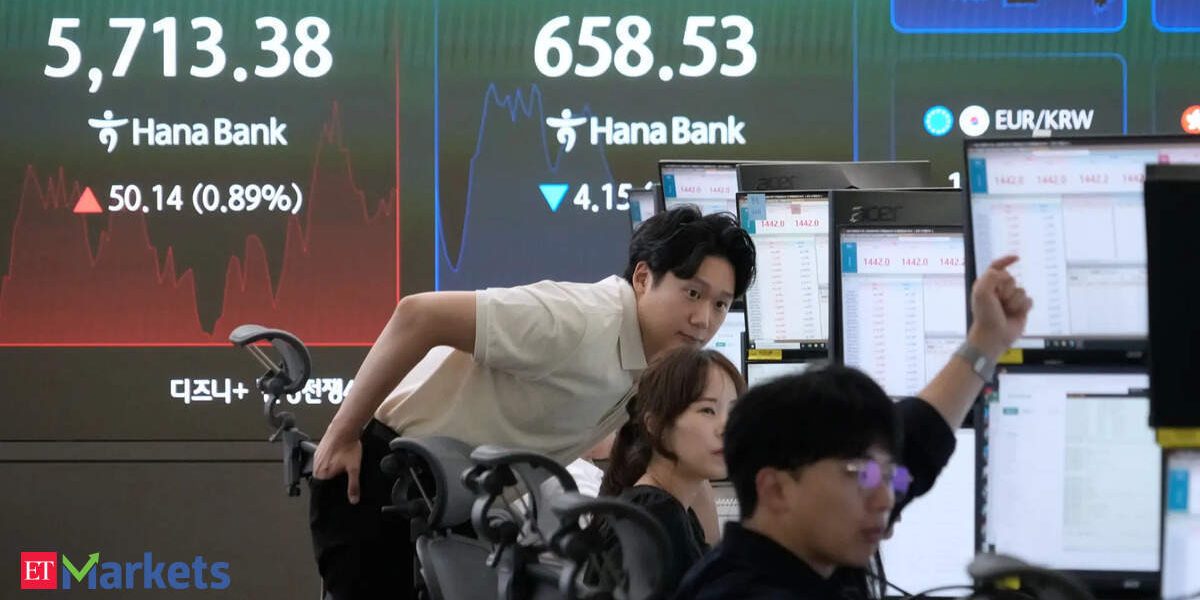
Kospi investors are reeling after the South Korean stock market plummeted 40% in just a month, with many retail investors feeling burned by the government’s handling of single-stock leveraged funds.
AI Frenzy Fades Fast
The Kospi skyrocketed over 122% since the beginning of the year to hit a lifetime high of 9,386 in June, fueled by a global AI frenzy that saw investors flocking to tech stocks. The rapid rise of South Korea’s stock market made headlines as the world’s best-performing stock market, enticing many retail investors to take a bite of the action.
Citizens, however, are now protesting the government’s decision to allow single-stock leveraged funds, which enabled investors to borrow huge sums of money to buy stocks. Critics argue that this move allowed investors to fuel the Kospi’s meteoric rally – only to leave them exposed and vulnerable when the market began to crash.
Government Apology, Frustration Remains
As the market continues to plummet, the South Korean government has finally apologized for its handling of the situation. The finance minister has acknowledged that the government’s actions may have contributed to the market volatility, sparking outrage among retail investors who feel that they’ve been left high and dry.
While the apology may be a step in the right direction, frustration remains among investors who are now facing significant losses. With many struggling to pay back their debts or recover their losses, the government’s apology may be little comfort in the short term.
What this means
The Kospi crash serves as a stark reminder of the risks associated with single-stock leveraged funds and the importance of regulatory oversight. As AI investment continues to attract attention, investors and policymakers must be mindful of the potential pitfalls and take steps to protect vulnerable investors from financial ruin.