Ambitious AI Data Centers Shift to On-Site Power in Face of Grid Constraints
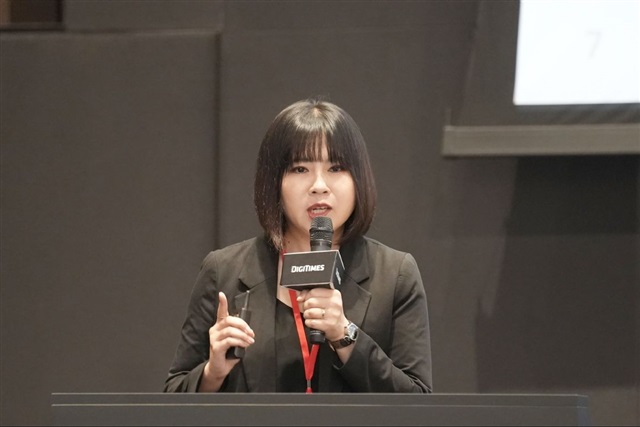
Sabrina Yu, a DIGITIMES analyst, sounded the alarm: AI data centers are crippled by four major energy challenges, leaving them scrambling for solutions. Rising GPU thermal design power, a new high-voltage direct current architecture, persistent grid bottlenecks, and intensifying sustainability demands are all taking their toll.
The most significant threat, according to Yu, is the grid bottleneck. As AI data centers proliferate, their voracious appetite for power is putting a strain on local infrastructure, leading to frequent power outages and service disruptions. Data centers must find ways to reduce their dependency on the grid or face the consequences.
That’s where on-site power generation comes in – a solution championed by tech heavyweights like Google and Microsoft. These companies are building their own power plants, often using renewable energy sources like solar and wind, to fuel their data centers. This approach reduces reliance on the grid, minimizes carbon emissions, and provides a reliable energy supply.
Industry players are racing to adopt this model, with many investing in on-site power infrastructure. For example, a Chinese tech giant recently broke ground on a $1 billion solar-powered data center, which aims to become one of the world’s largest on-site energy-generating facilities. This move not only secures their energy needs but also positions them as leaders in sustainable data center design.
What this means
For the data center industry, the shift to on-site power is a matter of survival. Those who fail to adapt will be forced to operate under the constraints of the grid, leading to reduced efficiency, higher costs, and compromised reliability. On the other hand, early adopters will reap the rewards of increased resilience, improved sustainability, and a competitive edge in the market.
The Road Ahead
As the demand for AI-powered services continues to soar, the demand for sustainable and reliable data center energy solutions will only grow. Expect to see more companies embracing on-site power and innovative energy storage technologies in the coming years. The industry’s future depends on it – and the clock is ticking.