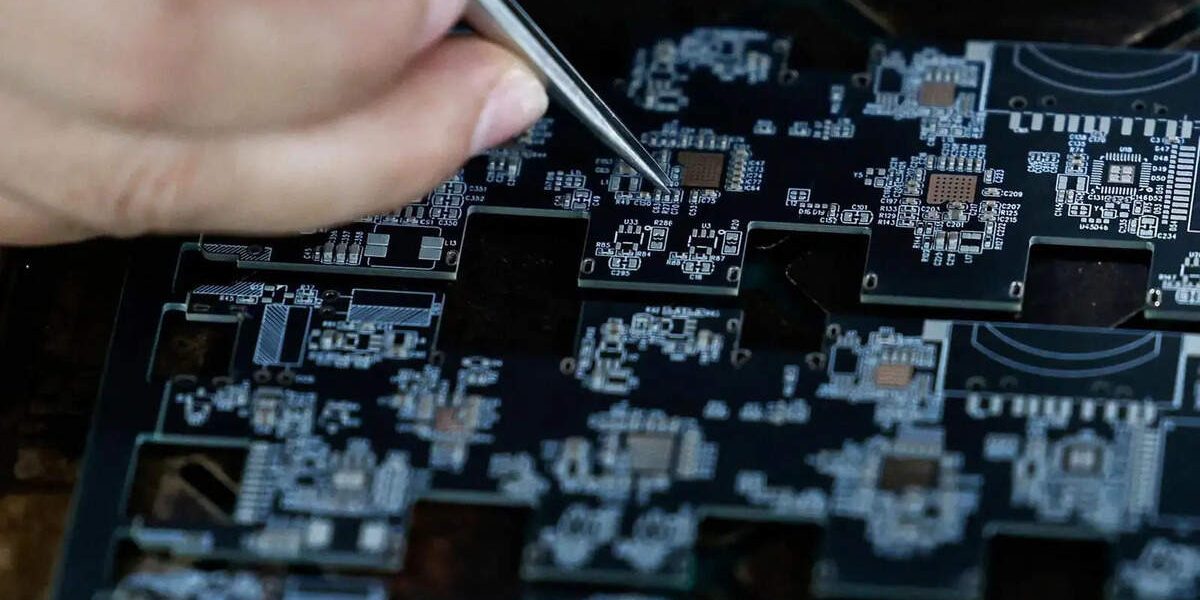
PCB Makers on High Alert
The ongoing conflict in West Asia has led to a crippling shortage of essential components, pushing domestic PCB makers to the brink of economic collapse.
Domestic printed circuit board (PCB) manufacturers in India are facing a perfect storm of rising production costs and dwindling component supplies. The escalating conflict in West Asia has severely disrupted global supply chains, forcing the India Printed Circuit Association to sound the alarm.
The group’s dire warning is that localization efforts in the burgeoning $7 billion PCB industry may be threatened, if not entirely derailed, by the crippling shortage of critical components. In response, PCB manufacturers are now demanding a 45-50% price hike to compensate for their unsustainable production costs.
Supply Chain Woes
With Iran at the forefront of the conflict, global supply chains are buckling under the weight of escalating tensions and trade restrictions. PCB makers rely heavily on imported components, particularly from countries like China and Taiwan.
The ongoing crisis has seen key component suppliers either halt or scale back production, leaving PCB manufacturers struggling to source essential parts. This shortage has sent shockwaves through the industry, with many fearing the worst for what’s left of their already fragile profit margins.
Consequences for the Industry
What this means for the average consumer is that expect prices for electronic devices to rise. The demand for PCBs extends far beyond consumer electronics, with applications in industries like healthcare, automotive, and aerospace.
While the proposed price hike may send shockwaves through the industry, it’s worth noting that the cost of components is a tiny fraction of the overall cost of a finished product. However, for PCB manufacturers, every percentage point counts. The proposed hike is a call to action, a desperate attempt to stay afloat in treacherous waters.
As the West Asia conflict continues to wreak havoc on global supply chains, the Indian PCB industry teeters on the brink of disaster. The question now is whether policymakers will intervene to prevent a complete collapse of the industry, or if manufacturers will be forced to bear the brunt of the crisis alone.