Petula Clark still croons from the heart, and she fears AI might silence real singers forever.
Iconic Voice
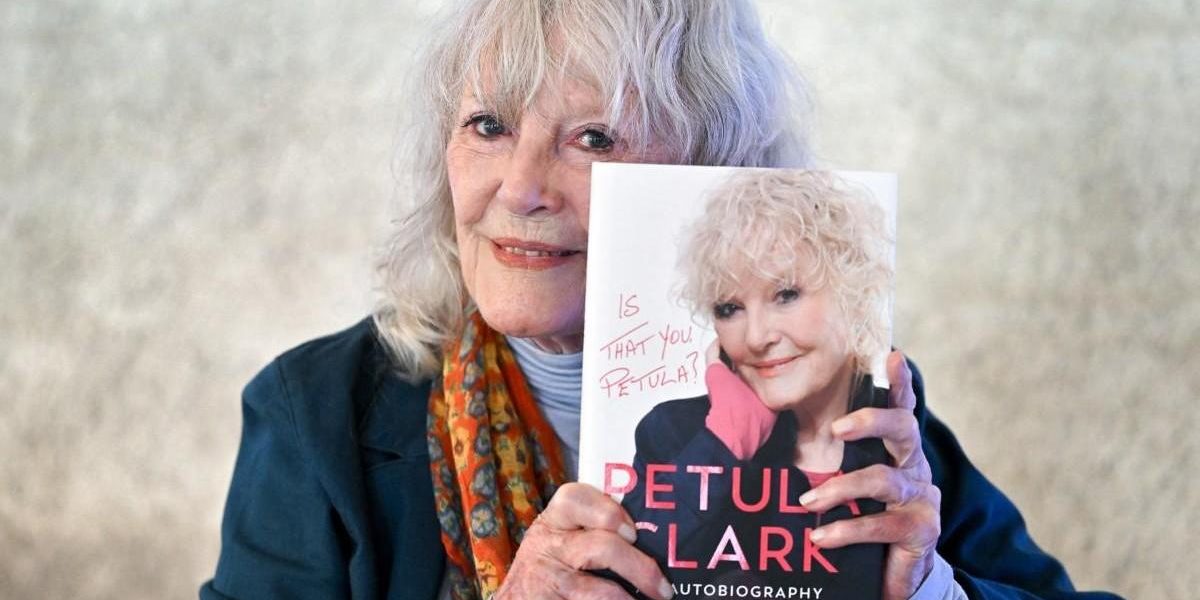
Petula Clark, an 80s icon and star of the 1960s hits “Downtown” and “Don’t Sleep in the Subway”, believes AI-generated music will fail to replicate human emotions and genuine performances. At 93 years old, she’s witnessed the evolution of the industry and released her autobiography, which gives insight into her storied career.
Clark’s legacy in music is undeniable, and she’s a master of evoking feelings through her voice. Her concerns revolve around AI potentially becoming an overused tool for producing music, which would lead to the homogenization of sound and the erosion of the artist-audience bond.
The AI Threat
AI-generated music is becoming increasingly sophisticated, capable of creating complex melodies and harmonies that can be indistinguishable from those produced by humans. While AI can churn out hit singles at an incredible pace, many feel it’s doing so at the cost of originality and authenticity.
Clark isn’t the only voice raised against AI-generated music. Other artists have questioned the need for AI, arguing that its primary function should be to augment human creativity rather than replace it.
What This Means
If the likes of Petula Clark are worried about the impact of AI on music, it’s worth considering the potential implications. AI could lead to a homogenization of sound, where artists struggle to stand out in a sea of identikit productions created by algorithms. The unique connection between artist and audience may also suffer as AI-generated music erodes the value of live performances and genuine human emotions.
Clark’s message is clear: while AI has its uses, it shouldn’t replace the heart and soul of a real singer.