US Lawmakers Push for Human Oversight in AI-Driven Military Decisions
A bipartisan group of lawmakers has introduced a bill that would require human control over AI systems used in military settings, sparking debate about the role of artificial intelligence in national security.
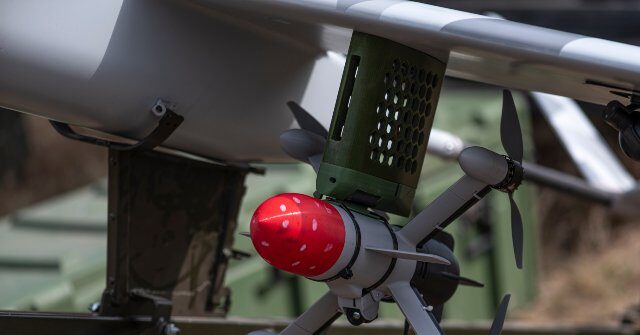
The proposed legislation, aimed at limiting the autonomous use of lethal force by AI-enabled military systems, comes as AI technology becomes increasingly prevalent in the defense sector. The bill’s introduction follows reports of AI-powered drones and other military systems being tested and deployed in various parts of the world.
Key Provisions and Concerns
The bill, which has not been named, proposes several key measures to ensure human involvement in AI-driven military decision-making. These include:
* **Mandatory human review**: AI systems would be required to submit proposed actions for human review before carrying out any lethal force.
* **Human-in-the-loop**: Human operators would be responsible for making the final decision on when to engage in combat or use lethal force.
* **Transparency and accountability**: Developers and deployers of AI systems would be required to provide detailed information about system capabilities and limitations, as well as any accidents or incidents involving AI systems.
What this means
If passed, this bill would mark a significant shift in the way AI is used in military settings. It would require developers and deployers of AI systems to prioritize human safety and oversight, potentially slowing the pace of AI adoption in the defense sector. However, it could also set a precedent for future regulations and standards governing AI use in various industries.
The bill’s introduction reflects growing concerns about the potential risks and consequences of autonomous AI systems. As AI technology continues to advance, policymakers and industry leaders must balance the benefits of AI-driven innovation with the need for human oversight and accountability.
The fate of the bill remains uncertain, but its introduction marks a significant step towards a national conversation about the ethics and implications of AI use in military settings.