A new study of astrobiologists has poured some cold water on the recent hype surrounding the discovery of life on Mars and exoplanets, suggesting that the possibility of alien life remains low.
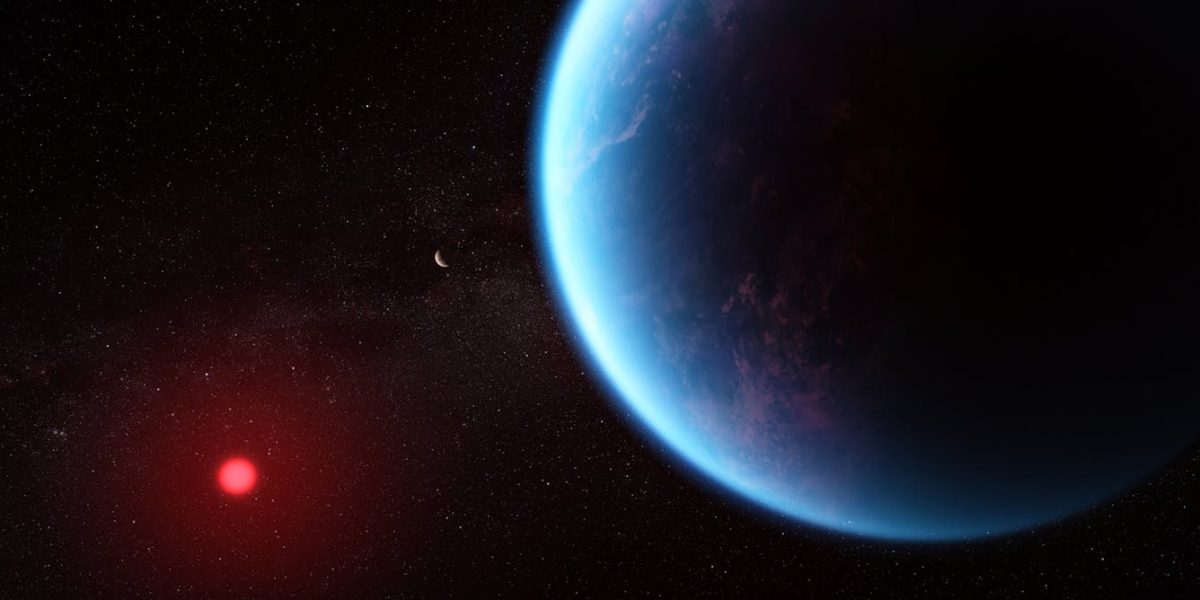
A recent survey of 150 top astrobiologists has found that only 6.6% believe that scientists have probably found extraterrestrial life on exoplanet K2-18b. K2-18b, a super-Earth orbiting a small, cool star, has been touted as one of the most promising exoplanets for hosting life.
What about Cheyava Falls on Mars?
The survey also questioned astrobiologists about the discovery of a lake bed on Mars, which was announced in 2025. Some speculated that this lake bed could be a sign of past life on the Red Planet. However, the survey found that only 14% of respondents believed that this discovery was evidence of past life on Mars.
The reality check
So, why is the scientific community not more excited about these discoveries? The answer lies in the data. While K2-18b and the Martian lake bed are intriguing finds, they don’t provide conclusive evidence of life. In fact, many experts believe that the conditions on K2-18b are more likely to support liquid water, but not life.
“It’s not that we don’t think it’s possible,” says Dr. Maria Rodriguez, a leading astrobiologist who participated in the survey. “We just need more data to confirm our suspicions. This survey shows that we’re being cautious and that we’re not jumping to conclusions.”
What this means
So, what does this mean for the search for extraterrestrial life? In short, it means that scientists are being realistic about what their discoveries mean. While we may be closer to discovering life beyond Earth, it’s still early days and we need more data to confirm our suspicions.
The search for life is ongoing, and new discoveries are being made all the time. However, it’s essential to separate hype from fact and to be critical of the evidence we have. By doing so, scientists can continue to make progress in this exciting field of research.