**SpaceX Scores Big Win with Starship 13 Mission: What This Means for Future Space Travel**
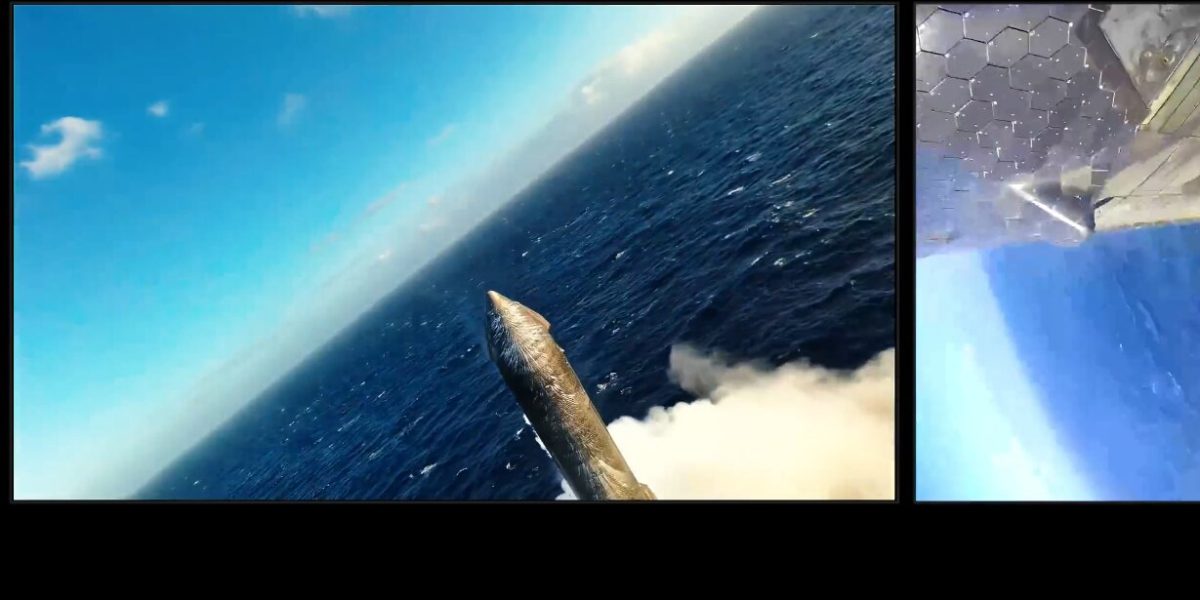
SpaceX’s Starship 13 mission ended in perfect fashion, setting several records and showcasing the company’s significant progress in reusable spacecraft development. The mission saw **all 33 Raptor engines** on the Starship successfully ignite at liftoff, marking a major milestone in the program’s quest for a reliable and efficient launch vehicle.
The mission also saw SpaceX push the boundaries of what’s possible with their Starship design. The **Max-Q** – a point of maximum dynamic pressure during ascent where the spacecraft experiences the most intense forces – was higher than any previous Starship flight. This achievement demonstrates the spacecraft’s ability to withstand extreme conditions and perform flawlessly.
Major Breakthroughs in Reusability
SpaceX’s Starship is designed to be a reusable spacecraft, capable of taking both people and cargo to the Moon, Mars, and other destinations in the solar system. The successful hot staging and clean separation of the booster and spaceship components are crucial steps towards achieving this goal. The fact that the booster shut down **all but 5 engines** and the ship’s **6 Raptors ignited** in a perfectly synchronized manner is a testament to the team’s hard work and dedication to perfection.
The boost-back burn executed by the booster, which involves firing its engines to slow down and maneuver back towards the launch site, is another significant achievement. This maneuver requires precise control and a high degree of trust in the spacecraft’s systems, both of which SpaceX has demonstrated.
Implications for Future Space Travel
The success of Starship 13 has significant implications for future space travel. With its ability to carry heavy payloads and perform complex maneuvers, the Starship could potentially revolutionize the way we explore and utilize space. Whether it’s taking humans to the Moon, establishing a permanent presence on Mars, or providing logistics support for space stations, the Starship is poised to play a major role in shaping the future of space travel.
While there’s still much work to be done, the success of Starship 13 is a significant step forward for SpaceX and the space industry as a whole. As the company continues to push the boundaries of what’s possible with their reusable spacecraft, we can expect to see even more exciting developments in the years to come.