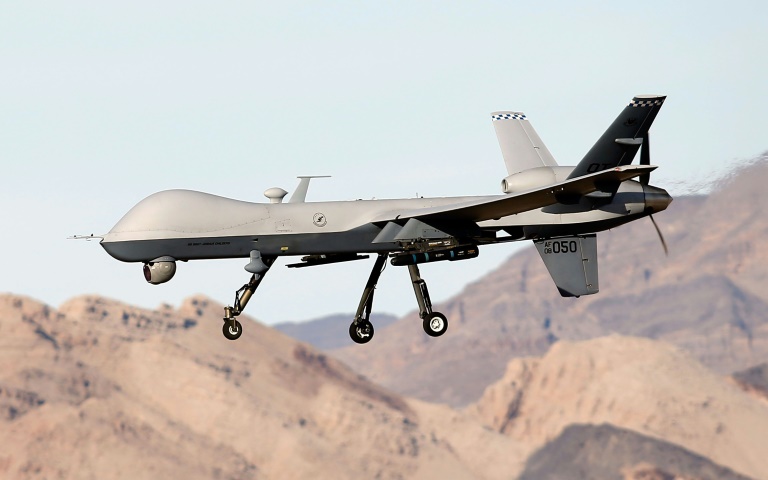
Canada’s Utilities Take to the Skies with AI-Powered Drones
Canada’s vast geography has always posed unique challenges for utility operators. From hydroelectric transmission corridors running through northern forests to pipelines crossing remote terrain and tangled networks of high-voltage transmission lines, inspecting and maintaining these complex systems is a daunting task – until now.
For Canada’s utilities, drones are rapidly evolving from a niche technology into a core business tool, with potential applications in inspection, maintenance, and protection of the nation’s critical infrastructure. According to recent estimates, the country’s utilities are set to invest heavily in drone technology, with some operators already deploying AI-powered drones to scan transmission lines, inspect pipelines, and detect potential issues before they become major problems.
AI-Powered Sensors and Advanced Analytics
The key to drone adoption in Canada’s utilities is the integration of AI-powered sensors and advanced analytics, which enable real-time monitoring and predictive maintenance. With AI algorithms processing data from high-resolution cameras, lidar sensors, and other sources, drones can identify potential issues – such as cracks, corrosion, or vegetation encroachment – long before they cause a disruption to the power grid or a pipeline rupture.
For example, Trans-Alta Renewables, a Canadian utility, has already begun using drones equipped with AI-powered sensors to inspect its transmission lines and detect potential issues. This has resulted in a significant reduction in maintenance costs and improved asset reliability.
A New Era in Utility Operations
As regulations mature and sensor technology improves, drones are likely to become a permanent fixture of Canada’s utility operations. With AI-powered drones, utilities can respond faster to issues, reduce maintenance costs, and improve their overall performance. This has significant implications not just for the utilities themselves, but also for the broader Canadian economy, where reliable access to energy and critical infrastructure is essential for economic growth and development.
What this means for Canadians is a stronger, more resilient grid and a reduced risk of power outages. As AI-powered drones continue to transform utility operations, we can expect to see improved service reliability, reduced maintenance costs, and a greater emphasis on proactive maintenance and predictive analytics – making Canada’s utilities more efficient, effective, and responsive to the needs of their customers.