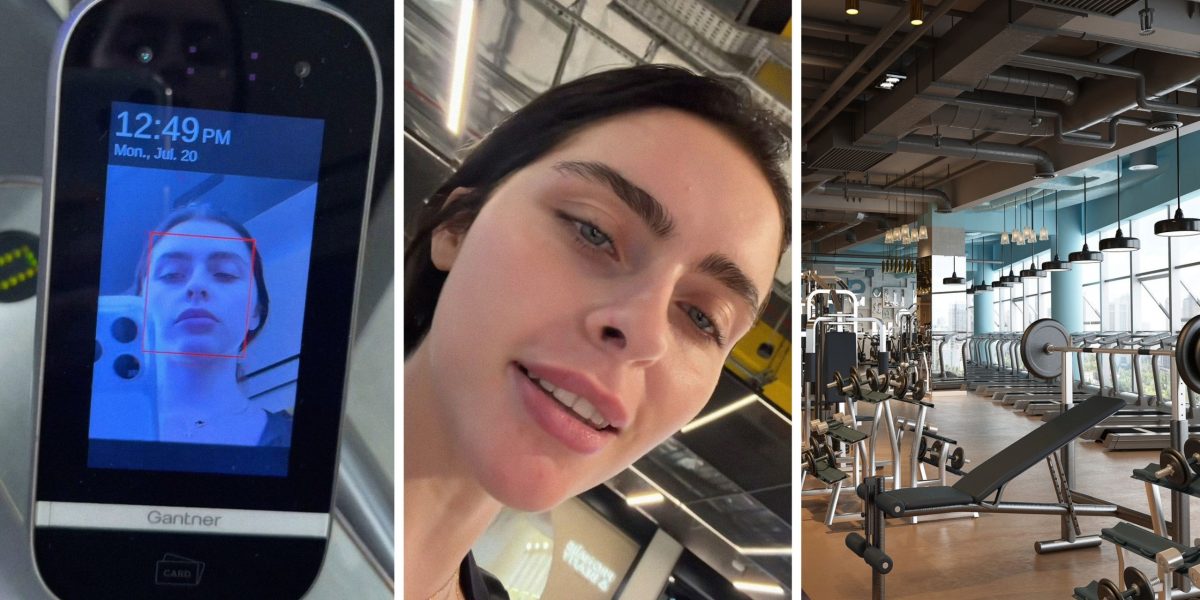
A 27-year-old woman in Western Australia recently found herself in a bizarre situation at the gym – she was mistaken for her twin sister due to facial recognition technology.
Facial Recognition at the Gym?
The whole ordeal started when Emma, whose face was shared in a now-viral video, decided to use her twin sister Sarah’s gym membership, as they share a similar appearance. Emma’s plan was to work out without having to pay for a separate membership, and everything seemed to go smoothly – or so she thought.
According to Emma, she was able to walk into the gym and start using the facilities without any issues, but things took a turn when she approached the reception desk. As she attempted to sign in, the facial recognition technology mistakenly identified her as Sarah, the actual gym member – not Emma.
“I was like, ‘Oh, this is a bit weird, I’m not sure why they’re doing this,'” Emma explained in an interview. It’s a valid question – why is a gym scanning faces in the first place? The answer lies in the increasing trend of using facial recognition technology in various public places, including gyms, to enhance security and make transactions easier for customers.
What This Means: Privacy Concerns and Accountability
However, this incident highlights a crucial issue with facial recognition technology – it’s not foolproof, and it raises serious concerns about data protection and individual rights. If a twin can easily be mistaken for another person, how accurate can this technology really be? Additionally, who is responsible when facial recognition technology goes wrong? Is it the gym, the software provider, or the individual?
Emma’s story raises questions about the accountability of organizations that use facial recognition technology. How will these companies handle situations like this, where individuals are wrongly identified? The answer is far from clear.
As facial recognition technology becomes more widespread, it’s essential for consumers to be aware of the potential risks and to demand greater transparency and accountability from organizations using this technology.