The Trump Administration’s Ban on Foreign-Made Humanoid Robots: A Blow to Chinese Manufacturers
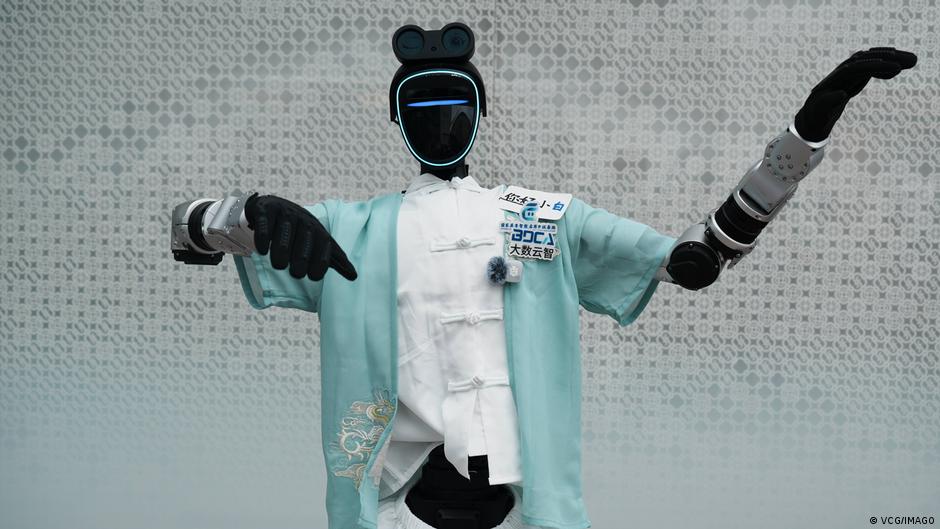
The Trump administration has imposed a ban on the import of humanoid and quadruped robots manufactured outside the United States, sparking concerns about national security and diplomatic tensions with China.
The ban, which targets robots that resemble humans or animals in appearance and behavior, aims to prevent the transfer of sensitive technology from foreign entities to US soil. According to reports, Chinese manufacturers are likely to be severely impacted by the ban, which could significantly reduce their exports to the US market.
What’s behind the ban?
The move is seen as a response to growing concerns about the potential misuse of advanced robotics and AI technologies by hostile nations. The US government has long been wary of China’s advancements in AI and robotics, with many fearing that such technology could be used for military or espionage purposes.
The ban is part of a wider effort to strengthen US national security and protect sensitive technologies from being transferred to foreign entities. This includes a range of measures, from restricting access to AI-powered surveillance systems to imposing strict regulations on the export of advanced robotics and AI technologies.
The implications for Chinese manufacturers
The ban is likely to have significant consequences for Chinese manufacturers, who have been expanding their presence in the global robotics market in recent years. Companies like DJI and Ubtech, which have been at the forefront of the development of humanoid and quadruped robots, may struggle to access the US market and will need to adapt to the new regulations.
The ban may also have a ripple effect on the global robotics industry, with Chinese manufacturers potentially looking to other markets to compensate for the loss of the US market. This could lead to increased competition and innovation in other regions, potentially benefiting consumers and driving technological advancements.