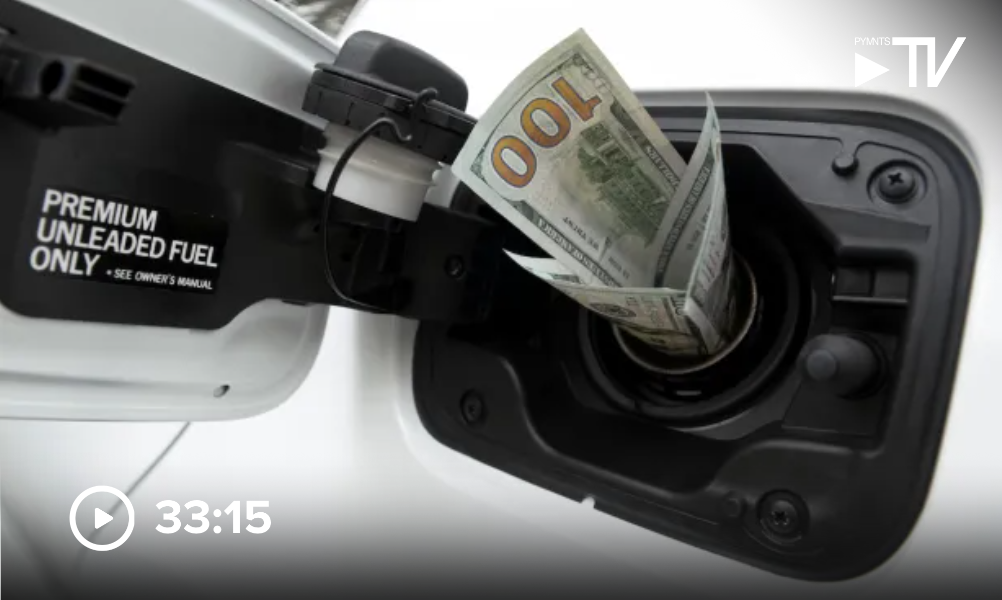
Americans’ Commutes Just Got a Whole Lot More Expensive, Thanks to AI-Powered Labor Markets
Ask what expensive gas does to a household, and you’ll get the familiar answer: it squeezes the budget. Less to spend, more to worry about. An affordability story, and a tired one. For the roughly **60 million hourly workers** in the United States, that response just got a whole lot more complicated – thanks to a new AI-powered twist on labor markets.
The Rise of the AI-Optimized Gig Economy
Employers are increasingly using artificial intelligence to streamline their hiring processes and optimize their workforces. According to recent data, AI has already helped companies slash their recruitment time by nearly **50%**, and reduce turnover rates by up to **30%**. Sounds good, right? The catch is that these efficiencies come at a significant human cost: a sharp decline in job security, and a growing pool of underpaid, overworked gig workers.
Gone are the days of relying on human intuition to manage a workforce. Instead, companies are relying on sophisticated algorithms to analyze worker performance, identify underperformers, and terminate them with minimal bureaucracy. The result: a whole new level of precariousness for America’s hourly workers.
The Human Cost of AI-Optimized Labor
Consider the case of **Sarah** – a single mother of two who’s been struggling to make ends meet as a part-time delivery driver. With gas prices soaring and her income dwindling, Sarah’s already stretched to the breaking point. But it’s not just the financial stress that’s taking a toll: it’s the constant uncertainty of not knowing when her next gig will come, or if she’ll be approved for benefits.
What this means is that workers like Sarah are facing a whole new level of economic insecurity. As AI takes over more and more aspects of labor management, the traditional notion of a job – with its attendant benefits, security, and dignity – is rapidly becoming a relic of the past.
The Future of Labor in the AI Age
So what’s the way forward? Advocates are calling for greater protections for gig workers, including access to benefits and collective bargaining rights. Meanwhile, policymakers are scrambling to adapt labor laws to account for the rise of AI-powered labor markets.
One thing’s clear, however: the cost of showing up to work just got a whole lot higher. And it’s up to all of us to ensure that the future of labor is one that prioritizes humanity, not just efficiency.