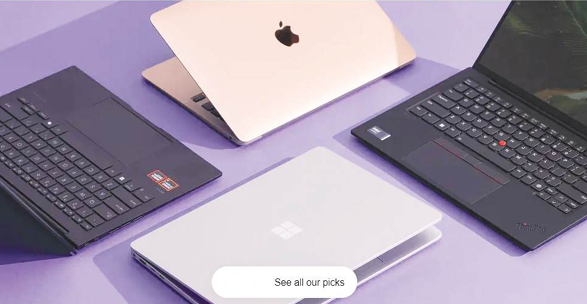
Nigeria’s laptop market is bracing for a potential price hike as the global PC supply chain faces a slump. Global PC shipments fell 4.9% to 68.2 million units in the second quarter of 2026, according to recent reports.
Global PC Shipments Plummet
The decline in PC shipments is attributed to various factors, including increased production costs, supply chain disruptions, and a shift towards hybrid work arrangements. As a result, manufacturers are likely to pass on these costs to consumers, making laptops more expensive. Many Nigerians, who have grown reliant on laptops for education, work, and entrepreneurial pursuits, may struggle to afford these devices.
Laptop Shortages and Price Increases
Laptop shortages have been a persistent issue in Nigeria, with prices rising due to high demand and limited supply. The current slump in global PC shipments may exacerbate this problem, leading to even higher prices. For instance, the average price of a laptop in Nigeria has increased by 15% over the past year, making it difficult for consumers to purchase these devices.
Experts predict that laptop prices in Nigeria may increase by an additional 10-15% in the coming months due to the global PC shipment decline. This could have a disproportionate impact on low-income households, who rely on laptops for education and economic opportunities.
What this means
The impending laptop price hike will have significant implications for Nigerians who rely on laptops for their daily activities. It may force them to explore alternative options, such as refurbished laptops or cheaper alternatives, which may not offer the same performance and durability as brand-new devices.
Laptop manufacturers and distributors must adapt to these changing market conditions to ensure that laptops remain accessible to those who need them most. By exploring new supply chain strategies and cost-cutting measures, they can help mitigate the impact of the global PC shipment decline on Nigeria’s laptop market.