AI-Powered Storytelling Breaks New Ground
Rebecca Campbell’s sci-fi novel, “The Floating Republic”, showcases AI-driven narrative techniques that blur the line between human and machine creativity.
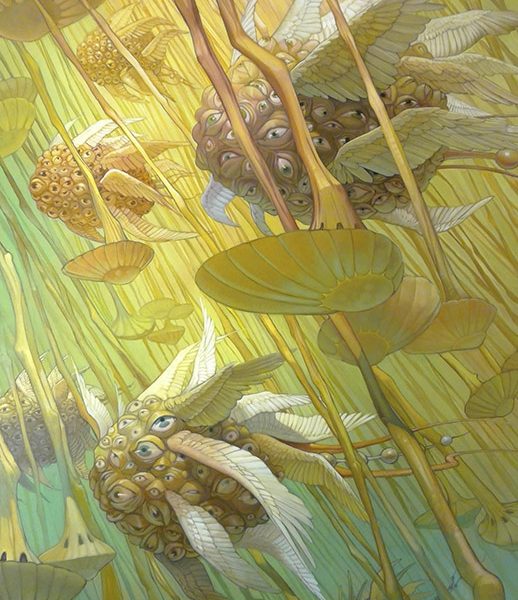
Chapter One of Campbell’s book introduces Captain Ignatius Faber, a character whose deteriorating vision forces him to rely on the Philoctetes’ viewscreens. These screens are described as bleeding with light, like stars, whenever a scratch appears. This vivid description raises questions about the intersection of human perception and AI-generated content.
AI in Creative Writing
AI has long been used in content generation, but Campbell’s work takes it to the next level. She employed AI tools to assist with world-building, character development, and even writing scenes. While AI algorithms can’t fully replicate human creativity, they can provide a solid foundation for a story.
Campbell collaborated with AI systems to generate entire sections of her novel. The AI’s output was then refined and edited, resulting in a unique narrative voice. This partnership highlights the potential of AI in creative writing, allowing authors to focus on higher-level creative decisions.
Human Touch in AI-Generated Content
The success of Campbell’s AI-driven storytelling depends on the human touch she brings to the process. By refining and editing AI-generated content, she injects her own voice and vision into the narrative. This collaboration underscores the importance of human oversight in AI-driven creative endeavors.
AI can generate vast amounts of content quickly and efficiently, but it often lacks the nuance and emotional depth that human writers bring to their work. Campbell’s approach demonstrates that AI can be a powerful tool for authors, but it’s the human element that ultimately makes the story come alive.
What this means
Campbell’s use of AI in creative writing offers a glimpse into the future of storytelling. As AI technology continues to advance, we can expect to see more collaborations between humans and machines in the creative process. This partnership has the potential to revolutionize the way we tell stories, making them more engaging, diverse, and immersive.