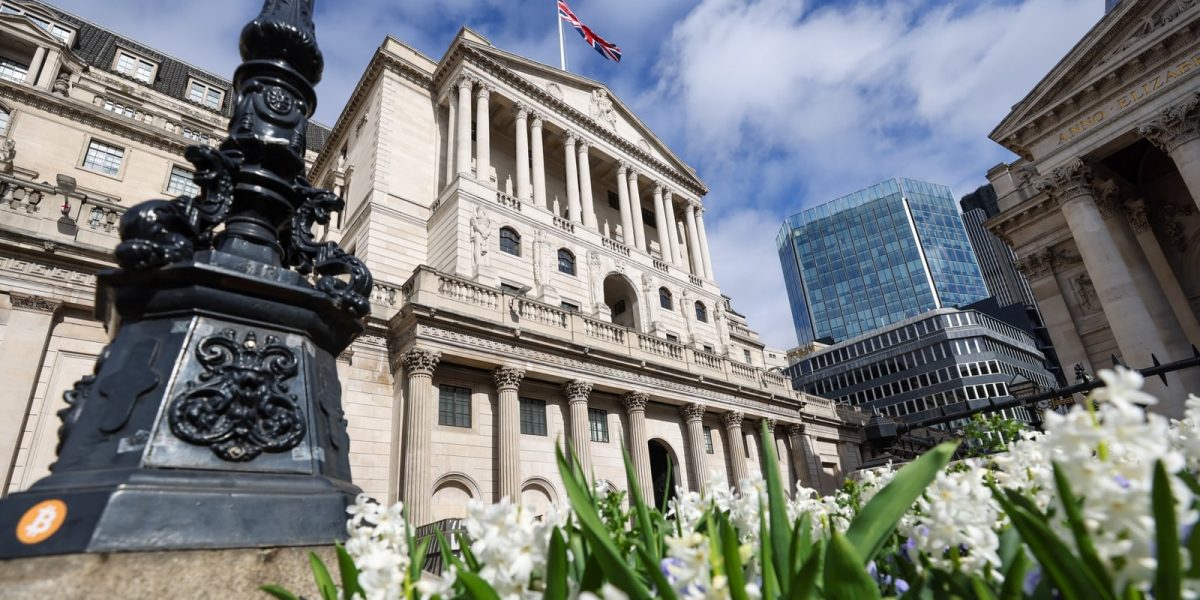
Bank of England Flags AI as Financial Stability Risk
Artificial intelligence is poised to disrupt the banking system, according to the Bank of England, which has identified AI as a growing threat to financial stability. The warning comes as investors bet heavily on AI’s success, creating a perfect storm that increases banks’ vulnerability to cyberattacks.
The Bank of England’s Financial Stability Report, released today, highlights the rising risks associated with AI, which is increasingly being used by banks to make investment decisions, manage risk, and even interact with customers. While AI has the potential to improve efficiency and reduce costs, it also introduces new vulnerabilities that could compromise financial stability.
Cybersecurity Concerns Mount
Banks are heavily investing in AI to improve their services, but the technology is also creating new cybersecurity risks. AI systems can be susceptible to cyberattacks, which could have devastating consequences for the financial system. The Bank of England is concerned that a successful AI-powered cyberattack could spread quickly across the financial network, causing widespread damage.
The Bank of England’s Governor, Andrew Bailey, emphasized the need for banks to take a proactive approach to addressing these risks. “Banks must be aware of the potential risks associated with AI and take steps to mitigate them,” Bailey said. “This includes investing in robust cybersecurity measures and ensuring that AI systems are transparent and explainable.”
What this means
The Bank of England’s warning serves as a reminder that AI is not a panacea for the financial industry. While AI has the potential to improve efficiency and reduce costs, it also introduces new risks that must be carefully managed. As AI continues to play a larger role in the financial system, regulators and banks must work together to ensure that the technology is used responsibly and with due caution.