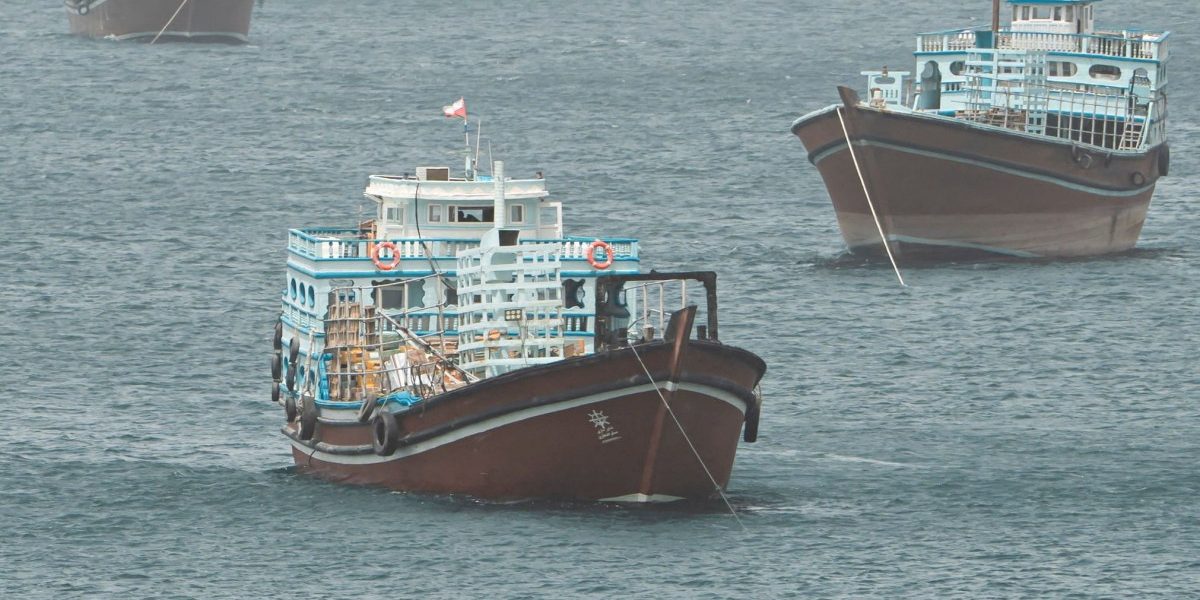
A new algorithm has emerged that calculates the economic toll of keeping the Strait of Hormuz closed, and it appears the solution might be simpler than expected.
The Strait of Hormuz: A chokepoint for global trade
The Strait, a narrow waterway connecting the Gulf to the Arabian Sea, accounts for around 20% of the world’s oil exports. With Iran’s Islamic Revolutionary Guard Corps (IRGC) effectively controlling the flow, international pressure to ease tensions has mounted.
Calculating the cost
Developed by researchers at the International Monetary Fund (IMF), the algorithm takes into account various factors, including ship traffic, oil prices, and global trade patterns. According to the model, the economic losses since Iran shut down the Strait are estimated to be around $2.5 billion per day.
The algorithm reveals that paying Iran for transit could potentially offset the costs of a prolonged blockade. This might seem counterintuitive, but the losses from lost trade opportunities and supply chain disruptions far outweigh the costs of paying a toll.
What this means
Paying Iran for transit could be a more efficient solution than engaging in a prolonged blockade. By understanding the economic dynamics behind the Strait’s closure, policymakers may find that cooperation is the more attractive option – even if it means giving in to some of Iran’s demands. Whether or not this approach is feasible remains to be seen, but the math suggests it’s worth exploring.
The algorithm’s findings also highlight the importance of considering the economic incentives involved in international conflict. As tensions in the region continue to simmer, it’s clear that there are alternative solutions available – ones that prioritize cooperation over confrontation.
A calculated approach
The IMF’s research underscores the need for a data-driven approach to global conflict resolution. By using analytics to understand the economic costs and benefits of different scenarios, policymakers can make more informed decisions and work towards finding mutually beneficial solutions. As the Strait of Hormuz standoff continues, it’s clear that the math is on the side of cooperation – but only if we’re willing to crunch the numbers.