Military Health System Taps AI for Smarter Medical Training
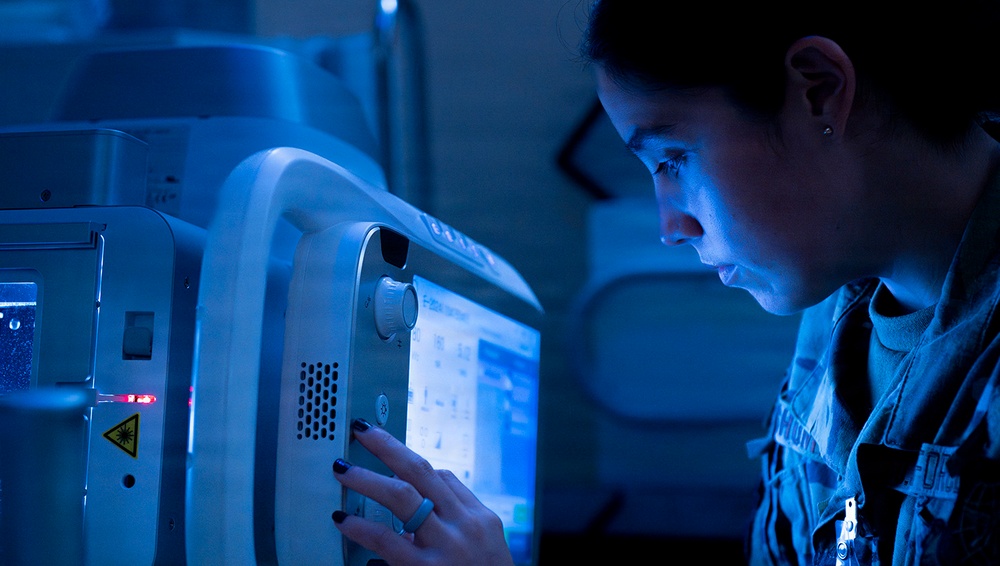
The Military Health System (MHS) is about to overhaul its medical education program using artificial intelligence (AI). The move aims to equip medical professionals with the digital skills they need to stay effective in a rapidly changing healthcare landscape.
The MHS has been working on a digital transformation strategy to modernize its systems and services. A key part of this effort is developing a digitally competent medical workforce. This involves training healthcare professionals on how to effectively use digital tools and technologies.
The integration of AI in medical education will focus on areas like patient data analysis, medical imaging interpretation, and personalized treatment planning. The goal is to empower medical professionals with the skills they need to make data-driven decisions and provide better care to patients.
The MHS offers a wide range of educational programs to train its medical workforce. However, the current curriculum is often limited by traditional teaching methods and outdated textbooks. AI-enhanced learning will allow students to engage with interactive simulations, virtual patients, and personalized assessment tools.
What this means
The integration of AI in military medical education serves as a model for the broader healthcare sector. As AI technology advances, medical training programs will need to adapt to keep pace. This shift towards digital competency will ensure that medical professionals are equipped to handle the increasing complexity of patient care and the rising demand for personalized medicine.
By leveraging AI-powered tools, medical educators can create more effective and engaging learning experiences for students. This, in turn, will lead to better preparedness and improved patient outcomes in the long run.
AI-powered Learning: The Future of Medical Education
The use of AI in medical education also opens up new opportunities for remote learning and continuous professional development. This will be particularly beneficial for military personnel who are frequently deployed to remote areas or have limited access to on-site training facilities.
As the MHS continues to push the boundaries of AI adoption in medical education, it’s likely that we’ll see more innovative applications of this technology in the healthcare sector. The key takeaway is that AI is set to revolutionize the way medical professionals are trained, and this change will have far-reaching implications for patient care and healthcare outcomes.