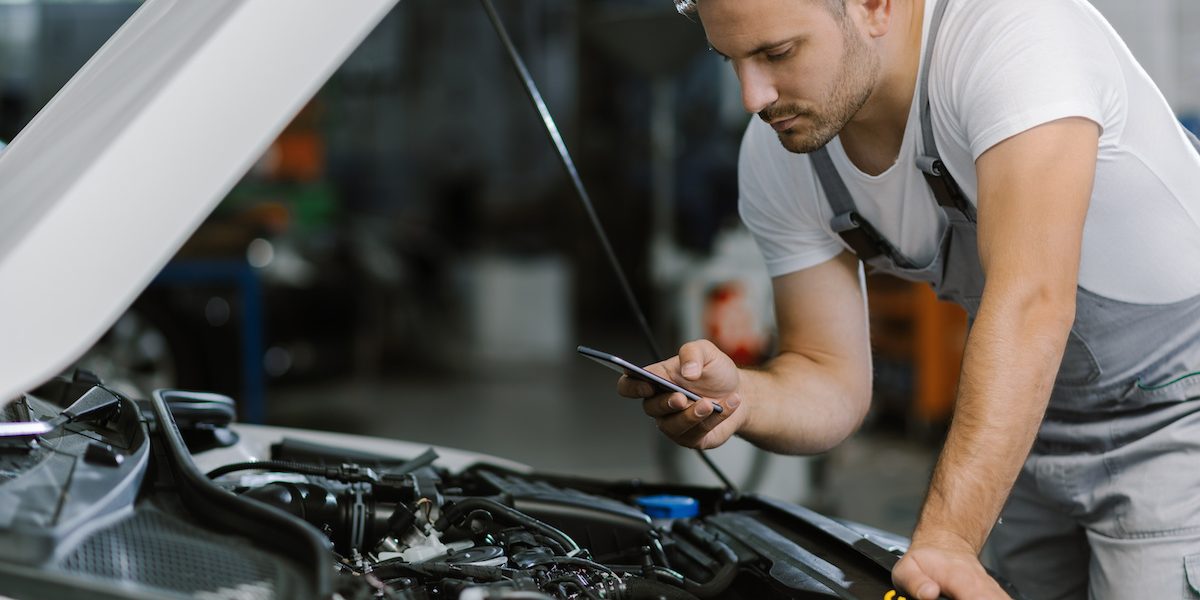
More blue-collar workers are using artificial intelligence to boost their productivity and accuracy on the job, and it’s often starting with a simple phone camera.
Visual Aids for the Trades
Industrial mechanics and automotive technicians are embracing AI-powered visual inspection tools, which allow them to capture images of machinery and equipment with their smartphones and get instant diagnostic feedback from AI models. The idea is straightforward: snap a photo, and let the AI do the heavy lifting – or in this case, the expert analysis.
For example, an automotive technician photographs a diagnostic error code displayed on a car’s computer screen and asks an AI model what it means before touching a wrench. The AI provides a probable cause, estimated repair cost, and recommended course of action, giving the technician a head start on the repair. An industrial mechanic points a phone camera at a bearing that has been running hot and gets back a probable cause, recommended replacement, and even a list of compatible parts from various suppliers.
From Inspection to Repair
What sets these tools apart is their ability to tap into vast amounts of technical data and expertise. By integrating with existing repair databases and knowledge bases, the AI models can provide not just a diagnosis but also a clear, step-by-step guide to fixing the problem. This means technicians can work more efficiently, with fewer errors, and get back to work sooner – all while ensuring that equipment is properly maintained and repaired.
AI-Powered Productivity
What this means for blue-collar workers is less time spent staring at error codes and more time spent doing what they do best: fixing things. With AI-powered visual inspection tools, technicians can access expert-level knowledge on the fly, make more informed decisions, and tackle complex problems with confidence. As these tools become more widespread, it’s likely that we’ll see even greater productivity gains and improved accuracy across industries that rely on hands-on work.