**House Republicans Call for Wider Use of AI to Fight Financial Fraud**
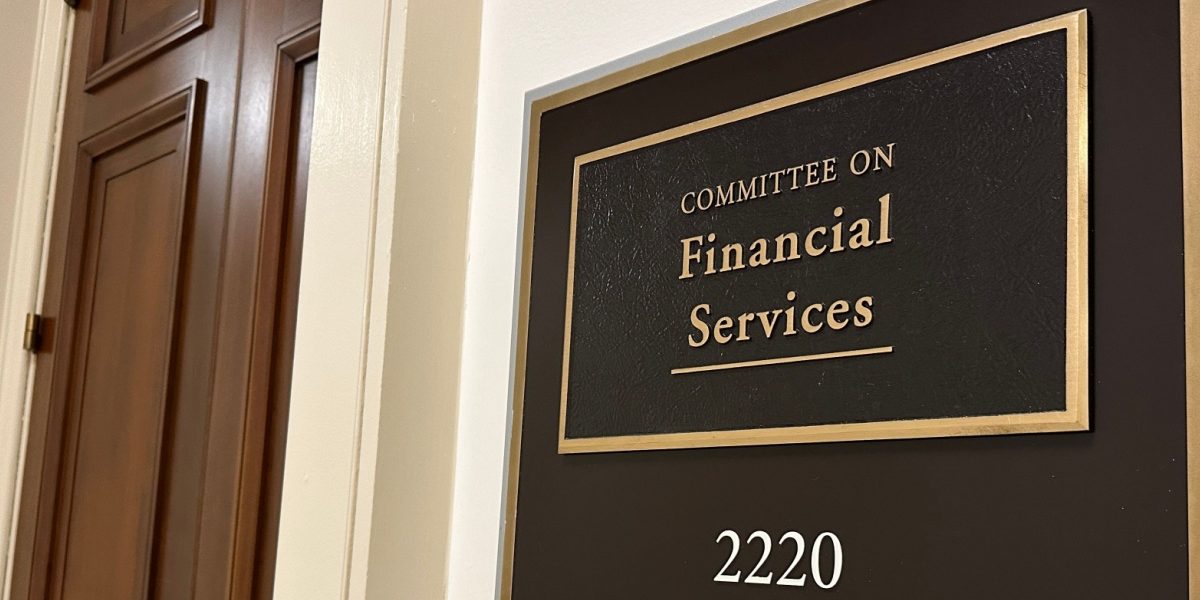
A bipartisan report by the House Financial Services Committee, spearheaded by Rep. Patrick McHenry, recommends expanding the use of AI to combat financial fraud, amid growing concerns that scammers are harnessing the technology to commit more sophisticated crimes.
The report warns that AI has empowered financial crooks to generate “convincing scams at unprecedented scale,” exploiting vulnerabilities in the financial system to steal billions of dollars each year. By embracing AI, however, regulators can level the playing field and prevent potential losses for consumers.
The proposed solution involves integrating AI-powered tools into existing anti-fraud systems to identify and flag suspicious transactions in real-time. This would enable financial institutions to stay ahead of scammers, who increasingly rely on AI-driven systems to create sophisticated phishing scams, fake online profiles, and other convincing deceptions.
**AI-Powered Scams on the Rise**
Financial experts say AI-driven scams have become increasingly sophisticated. One particularly pernicious example is the fake online profile scam, where AI-generated profiles on social media platforms are used to gain trust and extract sensitive financial information from unsuspecting victims. Scammers have even begun to use AI-generated voices and videos to create convincing personas that are almost impossible to distinguish from legitimate ones.
**What This Means**
If implemented, the recommendations outlined in the report could significantly reduce the risk of financial losses for consumers and businesses alike. By harnessing the power of AI to identify and prevent scams, regulators can help create a safer, more secure financial environment. However, this will require careful collaboration between financial institutions, regulators, and tech companies to ensure that AI-powered anti-fraud systems are effective, yet also respect users’ privacy and security.
Critics, however, have raised concerns about the potential for AI-driven systems to over-identify legitimate transactions as suspicious, potentially causing harm to innocent parties. To mitigate this risk, regulators will need to ensure that AI-powered anti-fraud systems are designed with robust safeguards and transparency in mind.
The future of financial regulation in the age of AI remains uncertain, but one thing is clear – the battle against financial fraud will never be won until we harness the full potential of this transformative technology.