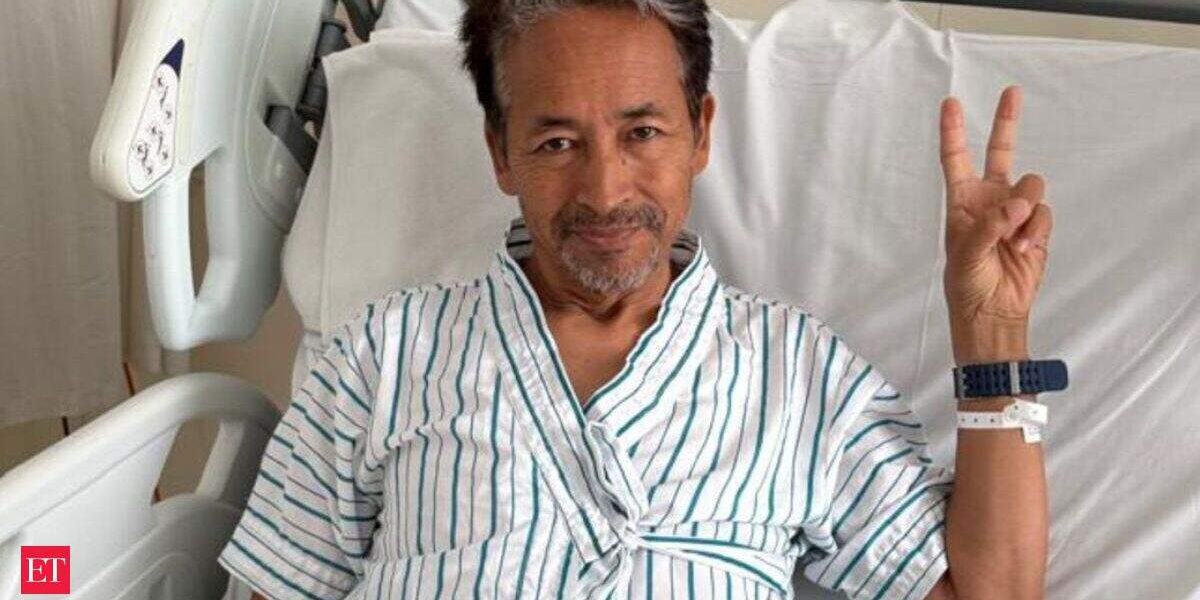
A 59-year-old Social Media Sensation: How Sonam Wangchuk Mobilized India’s Gen Z Against the Modi Government
Sonam Wangchuk, a 59-year-old social activist, has become an unlikely hero for India’s Gen Z, inspiring a youth-led movement that forced the Modi government to act on the long-standing issue of exam paper leaks. The movement, dubbed “Cockroach” by its young followers, is a testament to how social media can empower marginalized voices and effect change through collective action.
A Hunger Strike that Went Viral
Wangchuk ended his 26-day hunger strike, a bold move that sparked widespread attention and solidarity from millions of students across the country. The strike was a call to action for the government to address the widespread issue of exam paper leaks, which has plagued India’s education system for years. The movement resonated with young people, who were fed up with corruption, bureaucratic incompetence, and the lack of accountability in the education sector.
The Power of Social Media
Wangchuk’s use of social media was instrumental in mobilizing the youth movement. He leveraged platforms like Twitter and Instagram to reach a wider audience, share updates on his hunger strike, and engage with his followers. The hashtag #Cockroach movement quickly went viral, with young people using the term to describe themselves as resilient, resourceful, and determined to bring about change. Social media platforms became a key battleground for the movement, with Wangchuk and his followers using them to organize protests, share information, and mobilize support.
What this means
The #Cockroach movement is a powerful reminder of the potential of social media to amplify marginalized voices and effect change. It shows that even the most unlikely of heroes, like a 59-year-old social activist, can inspire a youth-led movement that challenges the status quo. As governments around the world grapple with issues of corruption, accountability, and education reform, the #Cockroach movement offers a model for collective action and social change.
For young people in India, the movement offers a glimmer of hope that they can create real change and hold those in power accountable. It’s a reminder that, even in the face of adversity, they can mobilize, organize, and effect real change through collective action and social media activism.