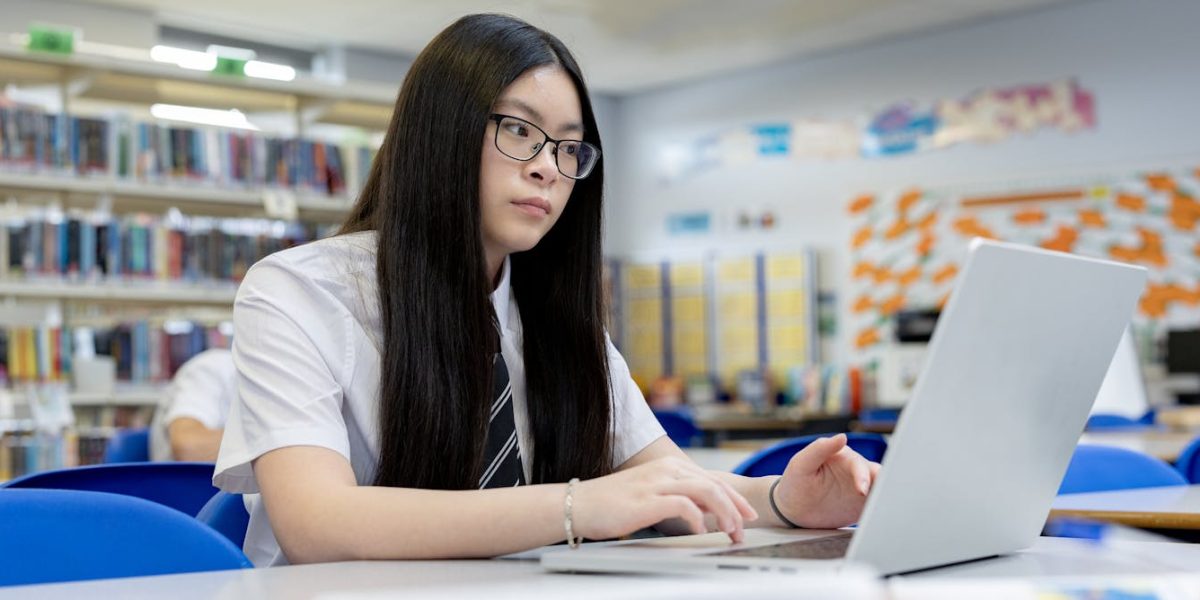
Victoria has become the first state to mandate “device-free” time in high schools, but educators and experts are divided on what works best for learning – and whether screens are the enemy or a valuable tool.
The Device-Free Directive
The Victorian government has instructed schools to introduce daily device-free periods from term 1 2027. Schools will be free to decide how to implement this, whether through designated breaks or integrating device-free activities into lessons. Some schools might choose to have students turn off their devices at certain times, while others might use devices as educational tools for set periods.
The Science on Screen Time
But what does the research say about screen time’s impact on learning? The simple answer is that there’s no magic number – the quality of learning depends on how the technology is used and for what. The World Health Organization recommends 1-2 hours of screen time per day for teenagers, but that’s not a hard and fast rule.
Some studies suggest that excessive screen time can be detrimental to mental health and social skills. However, other research points to the potential benefits of using technology in educational settings, such as improved engagement, accessibility, and personalization. For example, digital tools can help students with disabilities or language barriers access educational content more easily.
What this means
So, what does this mean for parents and students? It’s not a blanket ban on screens, but rather an opportunity for educators to rethink how technology is integrated into the classroom. This might involve using devices as a supplement to learning, rather than a replacement for face-to-face interactions. As Victoria’s schools experiment with device-free time, it’s essential to monitor the impact and adjust approaches accordingly.
By taking a more nuanced view of technology’s role in learning, educators can harness its potential while minimizing its drawbacks. Ultimately, the key to effective device-free time is not about the devices themselves, but about creating space for students to engage with each other, their teachers, and the world around them.