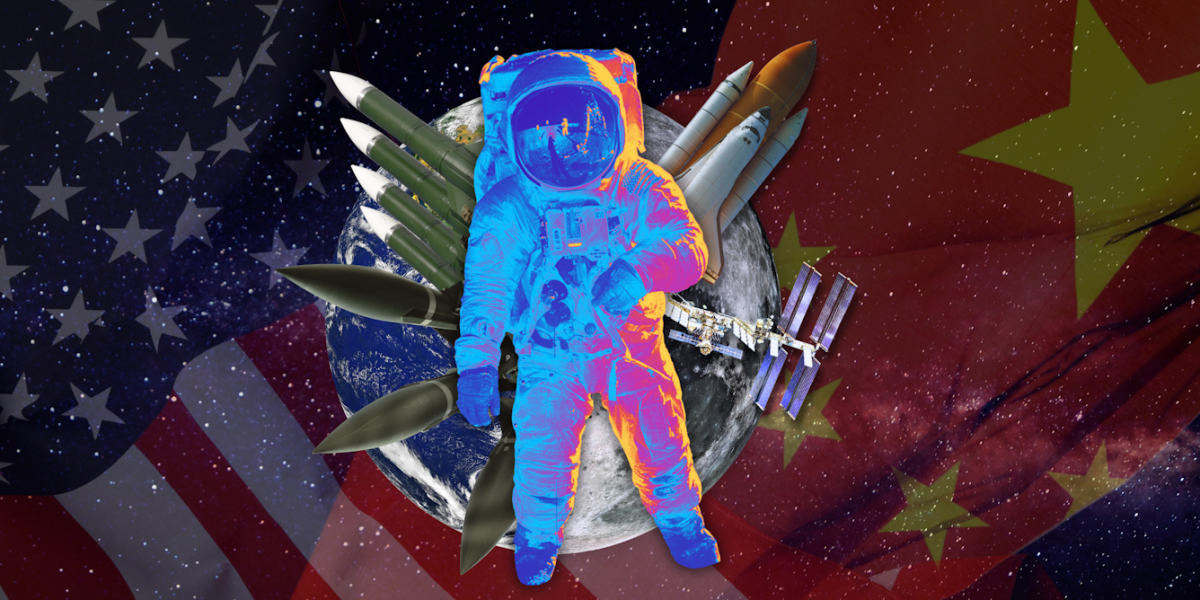
Space Agencies Scramble for Rules as Private Players Dominate
As the Artemis II mission returns to Earth, a stark warning from Canadian astronaut Jeremy Hansen highlights the urgency of establishing new rules for space exploration. Hansen’s emotional plea before embarking on the mission to the Moon was: “We go for all humanity.” But his words underscore a pressing concern – the danger of space becoming a wild west, where companies and governments operate with little oversight.
Lack of Regulation Threatens Safety
The current state of affairs is a far cry from the collaborative efforts of the Apollo era. Back then, governments and space agencies worked together to achieve a shared goal. However, with private companies like SpaceX and Blue Origin leading the charge, old rules no longer apply. As a result, the absence of clear guidelines puts everyone at risk – astronauts, cosmonauts, and even ordinary citizens. With more missions to the Moon and beyond planned, the stakes are higher than ever.
What this means:
The lack of regulation in space exploration could lead to a catastrophic incident, with devastating consequences for those on board and even on the ground. To prevent this, experts are calling for a renewed focus on “space citizenship” – a sense of shared responsibility and collaboration among nations, governments, and companies. By establishing clear rules and guidelines, we can ensure that space exploration benefits everyone, while minimizing the risks.
In recent years, space agencies have faced increasing pressure to adapt to the changing landscape. However, the pace of innovation has outstripped the development of new regulations. The International Space Station, for example, operates under a patchwork of agreements between the US, Russia, Japan, Canada, and the European Space Agency. But as commercial space flights become more frequent, this ad hoc approach won’t suffice. The need for standardized rules is pressing – and it’s not just about safety; it’s also about ensuring that the benefits of space exploration are shared fairly.
The space community is beginning to take notice of Hansen’s warning. The Artemis Accords, signed by NASA and 11 other countries, aim to establish a framework for responsible space exploration and the peaceful use of space resources. While a step in the right direction, these accords are just the beginning. As we continue to push the boundaries of space exploration, it’s imperative that we prioritize the development of rules that protect everyone involved. The future of space travel depends on it.