Hangzhou’s Rise as a Robotics Hub is a Beacon for Innovation-Fueled Growth
Klara Tania Tandika, a 23 million-strong YouTuber from Indonesia, beamed with excitement as she cradled a live chick in a village agricultural livestream studio in Tonglu, a scenic town in Hangzhou, China. This unlikely scenario highlights the city’s remarkable transformation from a rural countryside to a hotbed of robotics innovation.
Hangzhou’s journey began with the establishment of the Hangzhou High-Tech Park in the 1980s. The park’s vision was to foster a community of entrepreneurs, scientists, and engineers, which eventually blossomed into a thriving ecosystem of startups and research institutions. One of these institutions is the Qianjiang New Town Science and Technology Park, a hub that brings together academia, industry, and government to drive innovation.
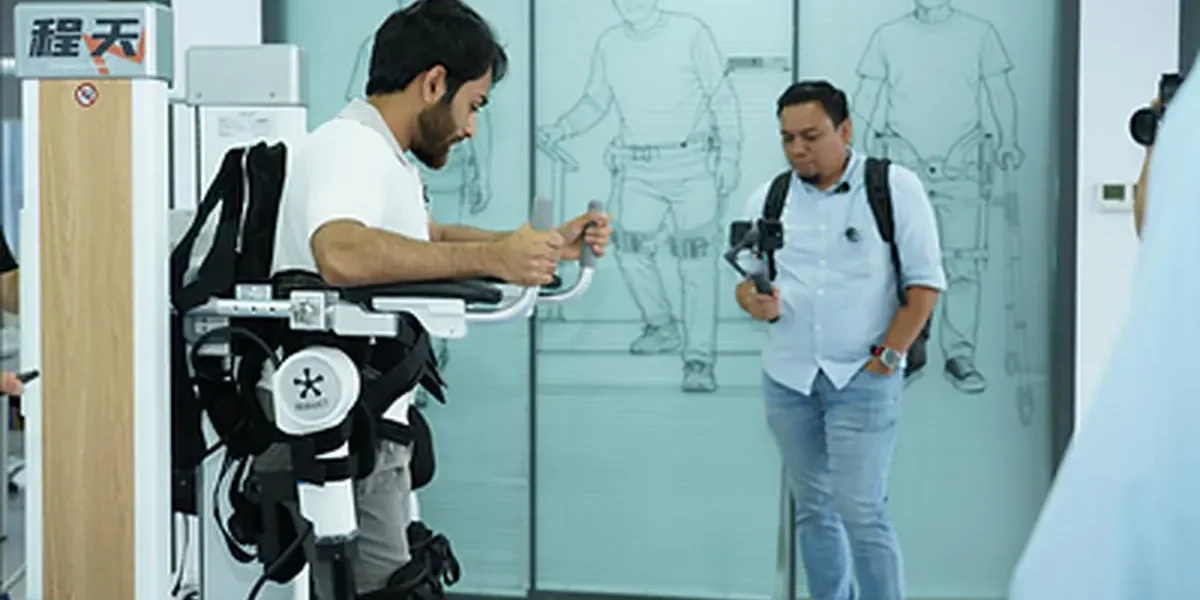
Today, Hangzhou boasts a plethora of robotics and AI companies, including the Hangzhou Robotics company, which has designed and manufactured robots for industries like manufacturing, logistics, and healthcare. By leveraging AI and robotics, these companies are enhancing productivity, improving quality of life, and driving economic growth.
Real-World Impact: Robotics and AI in Everyday Life
Hangzhou’s focus on innovation has paid off in tangible ways. For instance, the city has implemented smart traffic management systems, which rely on AI and robotics to optimize traffic flow and reduce congestion. This has greatly improved the daily commute for its residents. Additionally, robotics and AI are being used in Hangzhou’s hospitals and healthcare facilities to enhance patient care and streamline administrative processes.
A Beacon for Global Collaboration and Innovation
Hangzhou’s remarkable transformation serves as a model for other cities looking to replicate its success. Global collaborations, investments, and knowledge sharing will be crucial in driving further innovation. What this means: As we look to the future, Hangzhou’s story shows us that by prioritizing innovation, embracing collaboration, and focusing on real-world impact, we can create meaningful, people-centered technology solutions that have a lasting difference in our daily lives.