A staggering one-third of U.S. households are now part of America’s “mass affluence,” enjoying the benefits of a K-shaped economy that’s leaving low- and middle-income earners behind.
A K-shaped recovery
The concept of a K-shaped economy refers to the stark contrast between the thriving upper echelons of society and the struggling lower and middle classes. In the United States, this divide is characterized by rising home values, stock market gains, and increasing wealth for high-income earners. According to Reuters columnist Mike Dolan, this trend is not limited to a small elite.
The K-shape represents two diverging paths: one upward-bound and prosperous, the other stagnant and struggling. This phenomenon is often cited as a hallmark of the current economic landscape. However, the notion of a small, exclusive group driving growth has been somewhat of a misconception.
Mass affluence and its implications
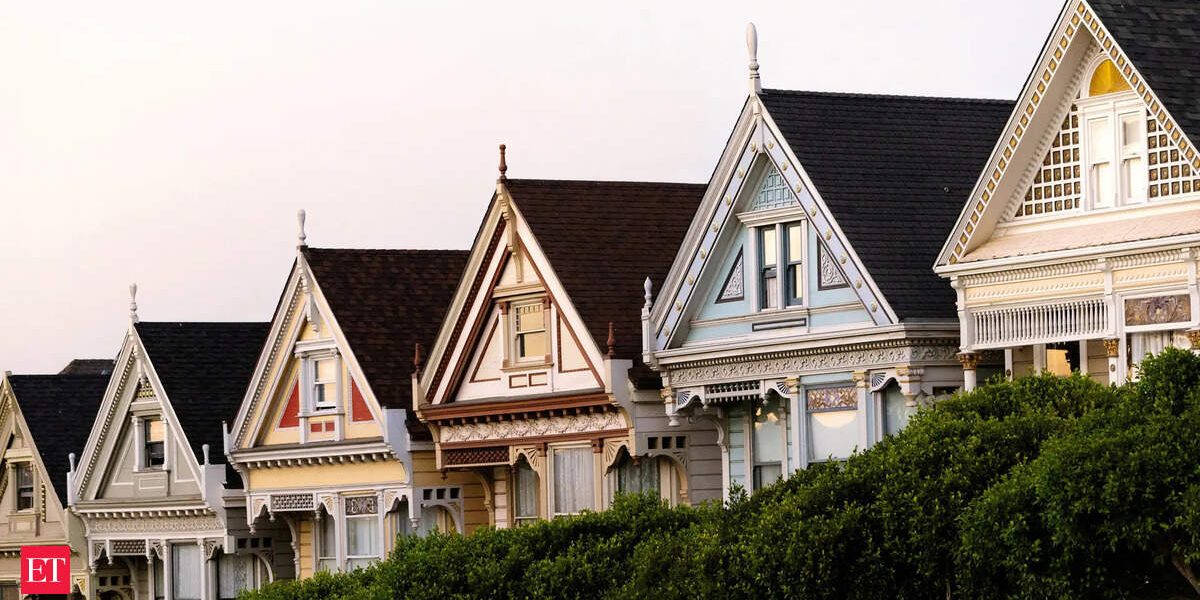
Contrary to popular perception, a significant number of households are now benefiting from the K-shaped recovery. As many as one-third of U.S. households are seeing their wealth increase due to rising home values and stock market gains. This mass affluence is a result of a combination of factors, including the ongoing housing market boom and the steady rise of the S&P 500.
The implications of this trend are multifaceted. It suggests that the wealth gap in the United States is more nuanced than previously thought. Rather than a stark divide between the rich and the poor, there’s a significant middle ground where many households are experiencing increased prosperity.
What this means
The realization that mass affluence is driving growth should prompt policymakers to reassess their priorities. Rather than focusing solely on supporting the most vulnerable segments of society, they may need to consider the needs of the rapidly growing affluent middle class. This could involve addressing housing affordability, expanding access to financial services, and implementing policies to mitigate the potential risks of a widening wealth gap.