World Records Fall Thanks to Better Training, Not Just Wearables
The sports world has seen an explosion of record-smashing performances in recent years, with athletes pushing the boundaries of human potential to unprecedented heights. But what’s behind this sudden surge in speed, strength, and endurance? According to experts, it’s not just the latest wearable technology that’s driving these gains – it’s better training methods and a deeper understanding of human physiology.
The Engine of Performance
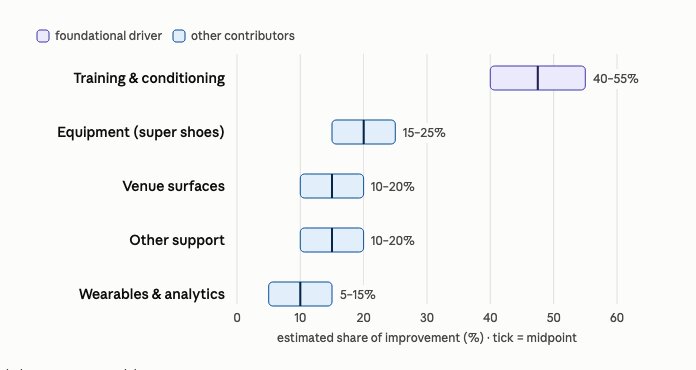
Training is the key driver of improved sports performance, with athletes and coaches fine-tuning their techniques to optimize every aspect of their training. This might include everything from personalized nutrition and recovery plans to mental preparation and visualization techniques. By focusing on the fundamentals, athletes can unlock their full potential and push themselves to new heights.
Wearables: Aiding Efficiency, Not Gains
While wearable devices like smartwatches and GPS tracking systems have certainly helped athletes optimize their training, they’re largely a means to an end – rather than a source of independent gains. These devices provide valuable data on an athlete’s performance, allowing them to fine-tune their training and make adjustments on the fly. But the underlying gains in performance come from the training itself, not from the technology.
A Glimpse into the Future
So what does this mean for the future of sports? As technology continues to advance, we can expect to see even more sophisticated wearables and training tools emerge. But the core principles of improved performance will remain the same – a commitment to rigorous training, a willingness to innovate and adapt, and a deep understanding of human physiology. By focusing on these fundamentals, athletes and coaches will continue to push the boundaries of what’s possible, and the world of sports will be forever changed.