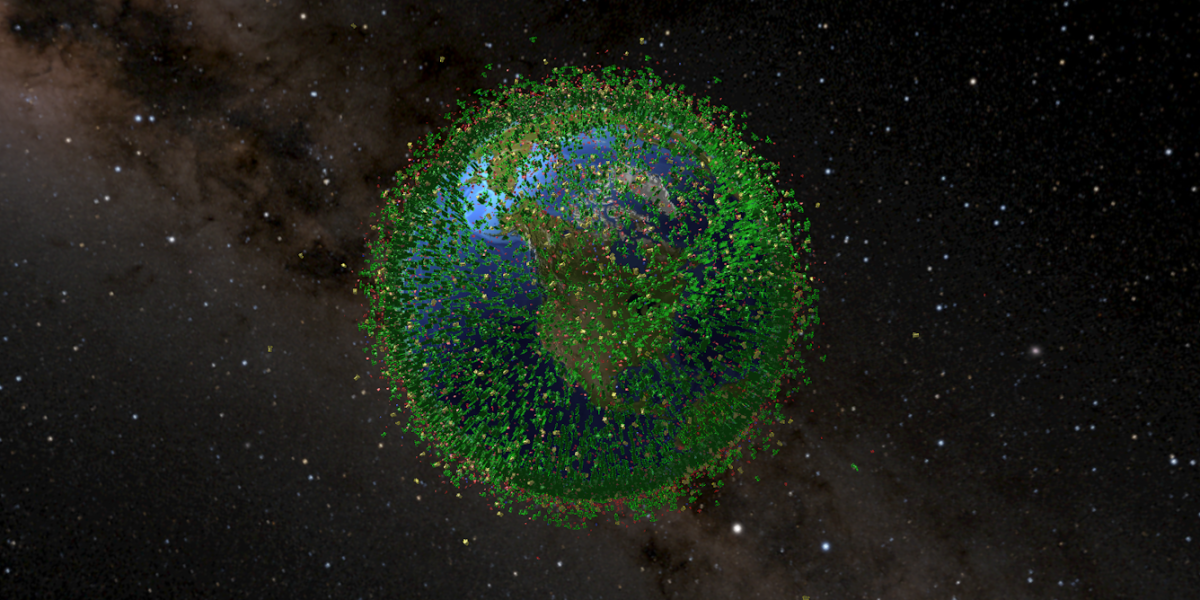
LeoLabs, a company specializing in space situational awareness, estimates we’ll have a whopping 116,000 satellites in orbit by 2030, nearly a 7-fold increase from the current 16,000.
Orbital Traffic Jams: What’s at Stake
The sheer volume of satellites in space poses significant challenges to navigation, communication, and even national security. For instance, a catastrophic satellite failure could cause unprecedented disruptions to global services, including GPS navigation and weather forecasting.
Visualizations of Earth’s orbit paint a daunting picture. The number of satellites has been rising exponentially over the past decade, with no signs of slowing down. This exponential growth is largely driven by the increasing demand for satellite-based services, such as high-speed internet, remote sensing, and space exploration.
But what happens when a satellite stops working? Unlike aircraft or cars, we can’t easily take satellites to a repair workshop. This reality forces us to rethink our approach to satellite maintenance, repair, and eventual disposal.
Addressing the Orbital Mess
LeoLabs and other companies are working on advanced technologies to monitor and track satellites in orbit. By developing advanced sensors and AI-powered algorithms, these companies aim to create a robust and reliable system for monitoring the ever-growing number of satellites.
For example, LeoLabs’ satellite tracking system uses AI-assisted sensors to monitor the movement and orientation of thousands of objects in Earth’s orbit. This data helps space agencies, governments, and satellite operators better understand and mitigate potential collisions.
What this means
The proliferation of satellites in space demands a more proactive approach to satellite management. To mitigate the risks associated with the growing number of satellites, we need to prioritize the development of advanced tracking and monitoring systems, as well as robust disposal strategies for retired satellites.
Ultimately, the goal is to create a safe and sustainable orbital environment that allows for continued innovation and growth in the space industry. The next 100,000 satellites will require a radical shift in our thinking and a commitment to responsible satellite management.