Trump Dodges Accountability for US Massacre at Iranian Girls’ School
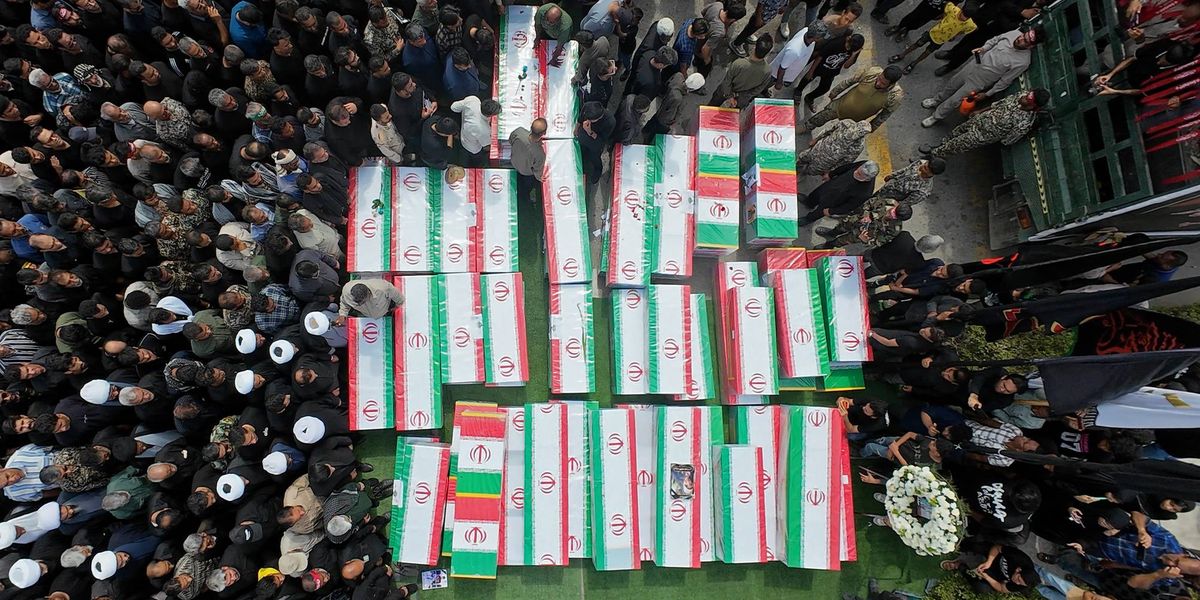
Last week, President Donald Trump refused to take responsibility for a devastating US cruise missile strike on an Iranian girls’ school in February, which killed **156 students**. This move echoes a long history of US leaders deflecting blame for military atrocities.
The strike was part of a broader US military action against Iranian forces following a drone attack on a US base in Iraq, which killed an American contractor. While international condemnation of the strike was swift, President Trump remained tight-lipped.
When asked directly about US responsibility for the massacre, Trump dismissively waved his hand, stating “Mistakes are made.” These words are a stark reminder of the US’s history of dodging accountability for its military actions abroad.
A Pattern of Denial
This is not an isolated incident. Throughout history, US leaders have consistently downplayed or denied responsibility for military atrocities committed by American troops. The My Lai Massacre during the Vietnam War is a prime example, where US soldiers killed hundreds of unarmed Vietnamese civilians. To this day, the full extent of US involvement remains disputed.
Similarly, during the Iraq War, US troops were accused of war crimes in the town of Fallujah. The US government has repeatedly denied any wrongdoing, despite mounting evidence to the contrary.
The US’s reluctance to take responsibility for its military actions has far-reaching implications. It not only undermines international trust but also prevents meaningful accountability, allowing atrocities to recur with impunity.
What This Means
The Trump administration’s refusal to take responsibility for the Iranian girls’ school massacre sets a disturbing precedent. It sends a message that the US is willing to tolerate, even condone, military atrocities as long as they serve its interests. This is a worrying development, as it may embolden future military leaders to engage in similar actions without consequence.