**Researchers raise red flags over DNA risks in AI-designed coronavirus vaccine**
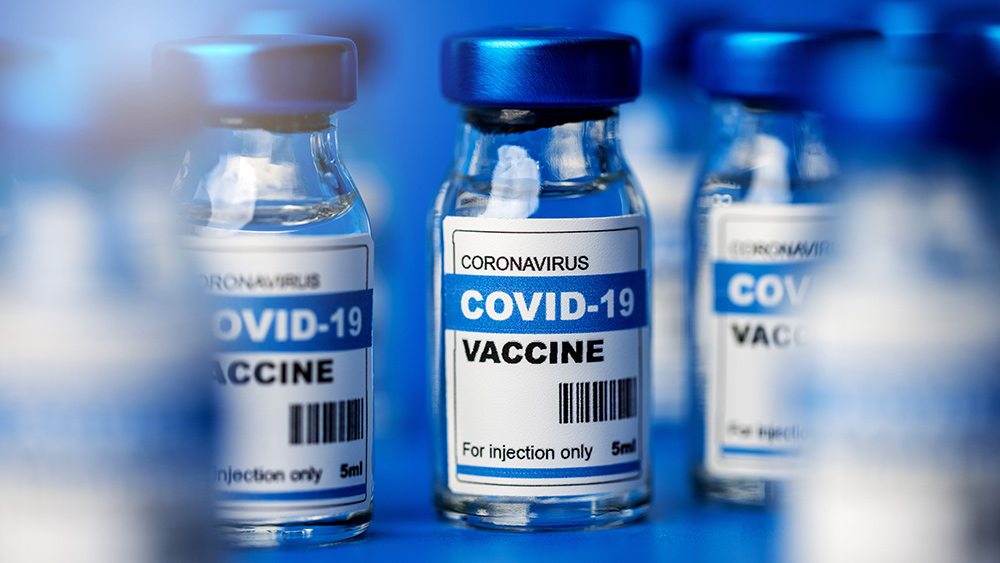
A new DNA-based coronavirus vaccine developed by a team from Cambridge and DIOSynVax has sparked controversy after its first human trial yielded a concerning number of adverse events. The vaccine, which uses AI to target broad coronavirus strains, has been praised for its potential to combat future outbreaks, but critics are sounding the alarm over its unproven safety and lack of regulatory transparency.
The trial, conducted on 39 participants, reported 121 adverse events, with some cases categorized as severe. While the exact nature of the adverse events wasn’t disclosed, experts are worried about the potential long-term consequences of using DNA-based vaccines, particularly when AI is involved in their design.
**AI’s role in vaccine development: a double-edged sword?**
The AI system used to design the vaccine is a type of machine learning algorithm that can analyze vast amounts of genetic data to identify patterns and vulnerabilities in coronavirus strains. This approach has the potential to accelerate vaccine development and improve their effectiveness. However, it also raises concerns about the lack of transparency in the design process and the potential for unforeseen risks.
“The use of AI in vaccine design is a double-edged sword,” said Dr. Rachel Kim, a bioethicist at Harvard University. “On one hand, it can help us develop vaccines faster and more efficiently. On the other hand, it can also lead to a lack of understanding about the underlying mechanisms and potential risks.”
**What this means**
The controversy surrounding the AI-designed coronavirus vaccine highlights the need for greater transparency and scrutiny in the development and testing of biotechnology products. As AI becomes increasingly integral to healthcare and biotech research, it’s essential that we prioritize both the potential benefits and the potential risks. **Consumers and healthcare professionals should be cautious and demand more information about the safety and efficacy of new vaccines, especially those developed with AI.**