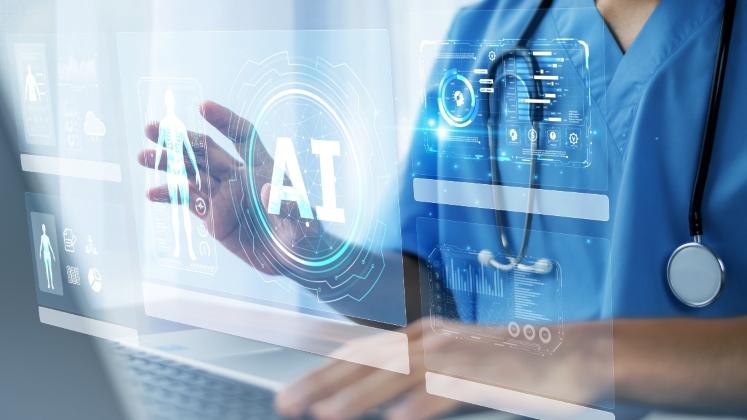
AI-Powered Medicine Needs Doctorly Oversight to Succeed
The medical field is on the cusp of a revolution thanks to the integration of artificial intelligence (AI). However, a group of medical experts, including Aurélie Jean, Philippe Benillouche, Thibaut Jacques, and Mark Esposito, believes that doctors must take the reins when it comes to developing and implementing AI solutions.
Medical professionals have long struggled with misdiagnoses and delayed treatment, which can result in devastating consequences for patients. AI has the potential to alleviate some of these issues by analyzing vast amounts of data and identifying patterns that might elude human doctors. But the risk of error is equally significant. AI might misinterpret data, or diagnose conditions inaccurately. The potential harm could be catastrophic.
The Need for Alignment
The problem lies in the fact that AI solutions are typically developed by technologists who may not fully understand the complexities of the medical field. This lack of expertise can result in AI systems that are not aligned with medical best practices. In order to build trust in AI-powered medicine, doctors and technologists must work together to develop solutions that are grounded in reality.
Aurélie Jean, a prominent voice in the medical AI community, stresses the importance of collaboration. “We need to ensure that AI solutions are developed with the medical community at the forefront,” she says. “Doctors must drive the alignment of medical AI solutions to ensure that they are safe and effective.” This means that technologists need to be willing to listen to medical professionals and incorporate their expertise into the development process.
A Safer, More Effective Future
By putting doctors in charge of AI development, we can create a safer and more effective medical landscape. This approach will allow AI solutions to be tailored to the specific needs of patients and healthcare professionals. It will also help to alleviate some of the risks associated with AI-powered medicine, such as misdiagnosis and over-reliance on technology.
Ultimately, the integration of AI in medicine has the potential to be a double-edged sword. While it holds great promise for improving patient outcomes, it also carries significant risks. By ensuring that doctors drive the development of AI solutions, we can mitigate these risks and create a safer, more effective future for medical care.