New York Puts the Brakes on Big Data Centers
New York has become the first U.S. state to impose a one-year moratorium on large data center construction, effectively halting the development of massive server farms that were poised to take up more and more space in the state. The decision comes as rising power costs and strained water supplies have raised concerns about the environmental impact of these facilities.
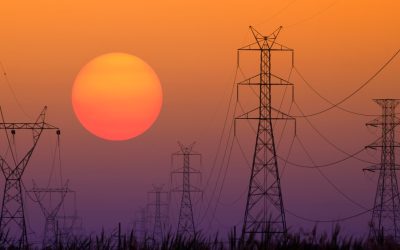
Governor Kathy Hochul has cited the need for consistent environmental standards for future data centers, suggesting that her administration wants to ensure these massive facilities don’t drain the state’s resources or exacerbate climate change. Data centers guzzle power and water to keep servers humming and cool, and New York’s action reflects the growing unease about the environmental footprint of AI’s infrastructure.
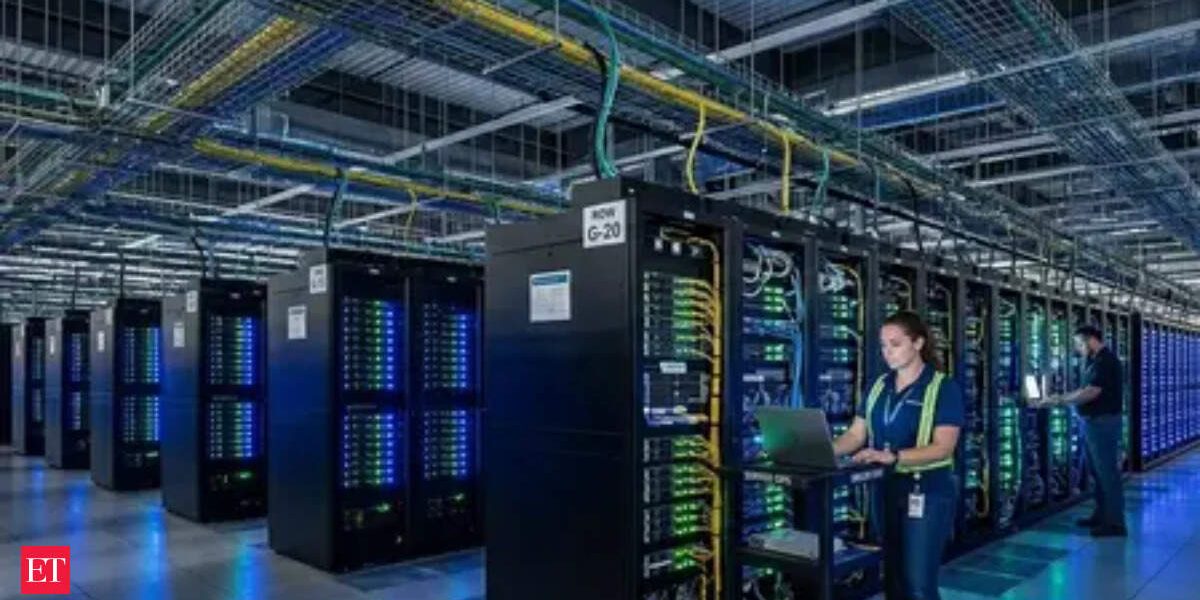
Data centers are the unsung heroes of the AI revolution, providing the computing power and storage needed to train AI models and process the vast amounts of data they generate. But as AI adoption accelerates, so does the demand for more and more data centers. New York’s move is a warning sign that the infrastructure needs of AI are starting to outstrip local resources, and that policymakers are taking notice.
What this means is that the conversation around AI’s environmental impact will only continue to gain traction – and that data center developers and operators will need to get creative about finding more sustainable ways to power and cool their facilities. Expect other states and cities to follow suit, and for the industry as a whole to start exploring innovative solutions to reduce its carbon footprint.
New York’s moratorium will give the state a chance to review and revise its environmental standards for data centers, with a focus on ensuring that these facilities don’t become a net drain on the state’s resources. The move may also put pressure on tech companies to find more sustainable ways to support their AI operations – and to consider the environmental implications of their growth plans. As AI continues to transform industries and lives, it’s clear that the debate around its infrastructure needs will only continue to intensify.