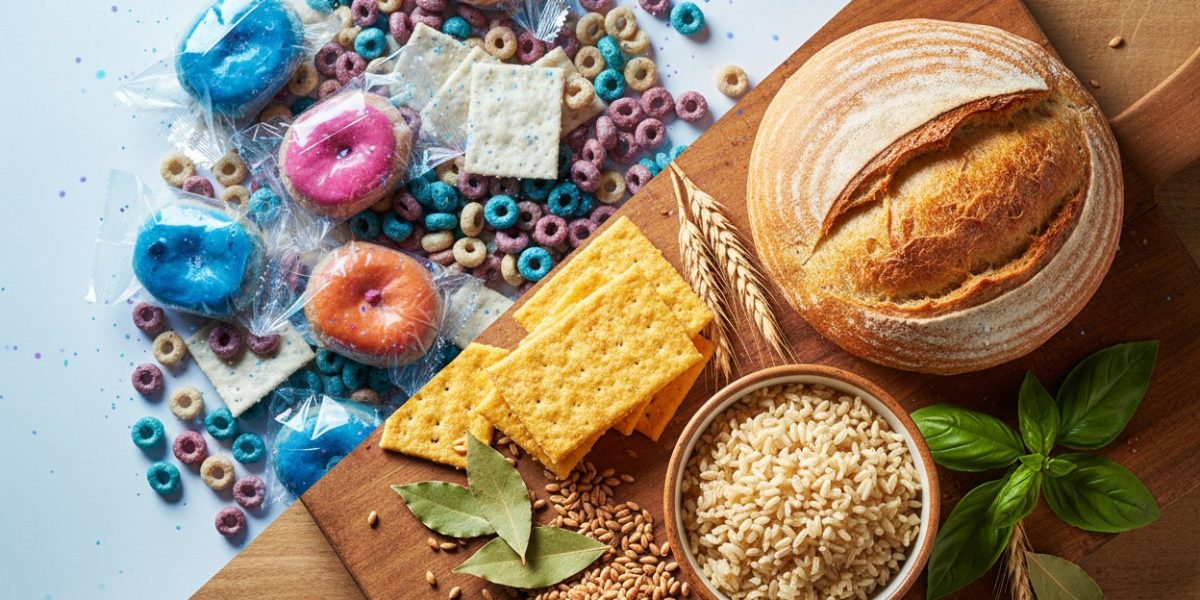
New research suggests that a diet heavy on processed grains can significantly increase your risk of inflammatory bowel disease (IBD). The study, published in BMJ Open, analyzed data from over 124,000 adults across 21 countries, providing the largest-ever global perspective on this topic.
Ultraprocessed Grains Linked to Higher IBD Risk
Researchers found that individuals who consumed higher amounts of ultraprocessed grains had an 86% higher risk of developing IBD compared to those who ate fewer of these foods. Fresh bread and rice were specifically highlighted as common culprits, with high consumption levels associated with a higher IBD risk.
For context, ultraprocessed foods are manufactured using a combination of advanced technologies and a range of ingredients, including sugars, fats, salt, and preservatives. In the case of grains, this often involves stripping away natural nutrients and adding in artificial additives to extend shelf life and improve taste.
What This Means
This study sends a clear message: be mindful of your diet and take a step back from heavily processed foods. While an occasional slice of fresh bread or a bowl of steamed rice won’t cause harm, frequent consumption can have serious consequences. IBD is a chronic condition characterized by prolonged inflammation in the digestive tract, which can cause symptoms like abdominal pain, diarrhea, and weight loss.
Researchers emphasize that the link between ultraprocessed grains and IBD is not absolute and more research is needed to fully understand the relationship. However, the findings do suggest that making informed dietary choices can play a significant role in mitigating IBD risk.
Takeaways from the Study
Key takeaways from this research include:
* Limit your intake of ultraprocessed grains, especially fresh bread and rice, to minimize IBD risk.
* Focus on consuming whole, nutrient-dense foods like whole grains, fruits, and vegetables.
* Be aware of food labels and avoid products with excessive amounts of added sugars, fats, and preservatives.
* Prioritize a balanced diet to promote a healthy gut microbiome and reduce your risk of chronic diseases like IBD.