First Nuclear Reactor in Bangladesh Nears Completion
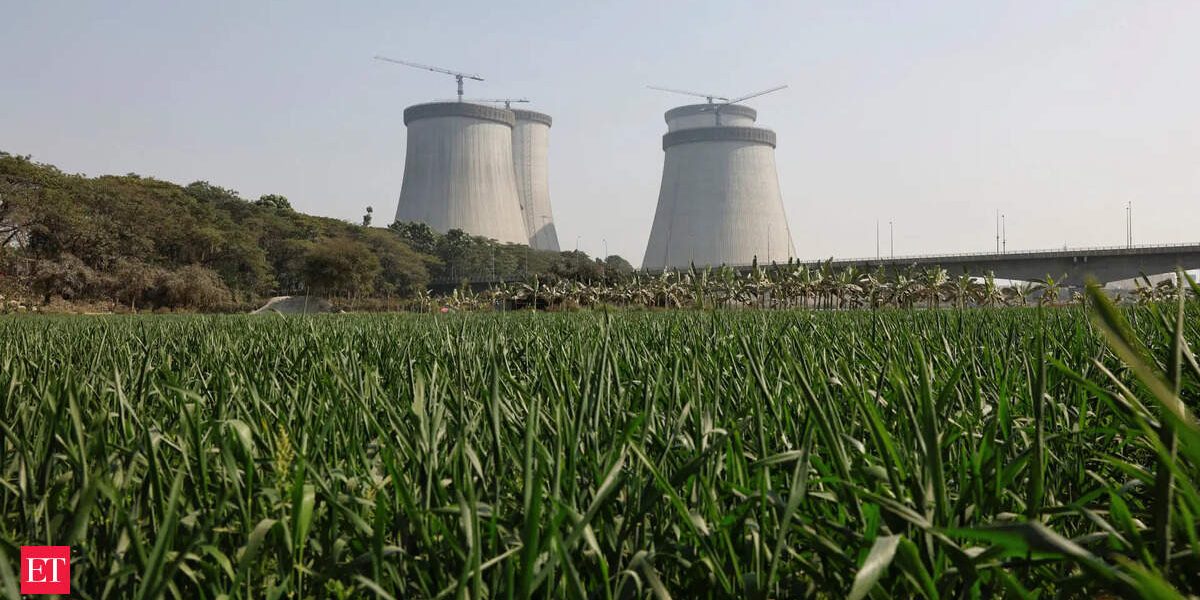
Bangladesh is on the cusp of something big – and not just because of the enormous cooling towers standing tall on the banks of the Padma river. The country’s first nuclear power plant is nearing completion, with the ambitious project set to provide a substantial portion of the nation’s electricity needs.
Once operational, the nuclear facility will mark a major shift in Bangladesh’s energy landscape, reducing the country’s reliance on imported fossil fuels and external shocks that have long plagued the industry. The project’s success will also send a message to other developing nations looking to follow suit – that nuclear power can be a viable and sustainable option for meeting growing energy demands.
Nuclear Ambitions
Bangladesh’s nuclear aspirations are not new, but the project has faced numerous challenges over the years, including delays and cost overruns. However, the government remains committed to the initiative, with the goal of increasing the country’s power generation capacity while reducing greenhouse gas emissions.
The four-reactor facility is being developed by the Russian state-owned nuclear company, Rosatom, under a $13 billion deal signed in 2011. While some environmental groups have expressed concerns about the project’s safety and potential impact on the local ecosystem, the government maintains that adequate measures have been taken to mitigate any risks.
What this means
For Bangladesh, the nuclear power plant represents a significant step towards energy self-sufficiency and reduced dependence on imported fuels. This, in turn, could have far-reaching benefits for the economy and environment. As the country continues to grow and urbanize, a reliable and clean source of energy will be crucial for supporting economic development and improving living standards.
The success of the Padma nuclear plant will also have implications for other developing nations, which are increasingly turning to nuclear power as a means of meeting their energy needs. As the technology continues to evolve, it’s likely that we’ll see more countries following in Bangladesh’s footsteps, marking a significant shift in the global energy landscape.