Japan’s energy crisis is about to get a whole lot more complicated thanks to the rise of generative AI, which is projected to increase the country’s electricity demand by as much as one-third by 2040.
The Nuclear Conundrum
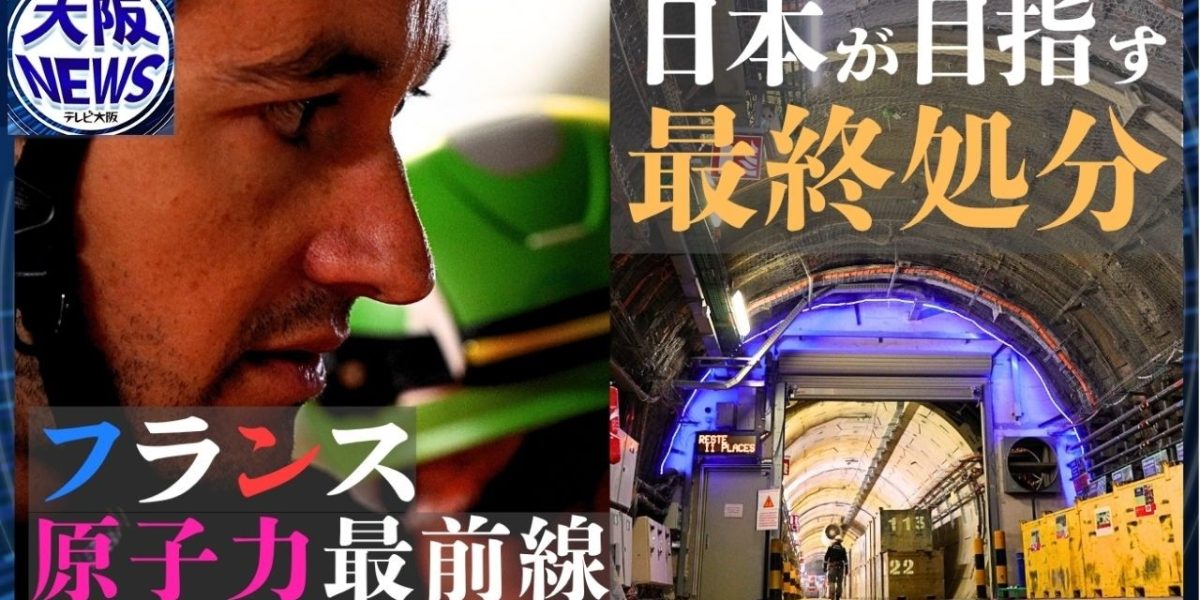
The Japanese government is facing a tough decision: replace five aging nuclear reactors, but in doing so, they’ll need to deal with the massive nuclear waste problem that’s been piling up for decades. The Fukushima Daiichi nuclear disaster in 2011 led to a temporary shutdown of the country’s nuclear power plants, but the plants are slowly coming back online.
The waste generated by these reactors is extremely hazardous and can remain toxic for tens of thousands of years. Disposing of it safely is a significant challenge: Japan’s existing storage facilities are already full, and the government has yet to decide on a long-term solution.
The Rise of Generative AI
Generative AI, which can create realistic videos, images, and even text, is becoming increasingly popular in industries like entertainment, education, and healthcare. This growing demand for processing power is putting a strain on Japan’s energy supply, which is already struggling to meet the country’s electricity needs.
The impact of generative AI on the energy market is likely to be significant, with the International Energy Agency predicting that the global energy demand will increase by 30% by 2040, driven largely by the increasing use of AI.
What This Means
Japan’s decision on whether to replace the five aging nuclear reactors will have far-reaching implications for the country’s energy security and the environment. If the reactors are replaced, it could lead to an increase in greenhouse gas emissions, but it would also provide a temporary solution to the energy crisis. On the other hand, if the reactors are not replaced, Japan will struggle to meet the increasing energy demands, potentially leading to power outages and economic disruption.
The government’s decision will also have significant implications for the disposal of nuclear waste, which remains one of the most pressing environmental issues in Japan. The country needs to develop a safe and sustainable solution to dispose of the existing waste, while also mitigating the environmental impact of new energy projects.