Corporate trust in AI has been on a downward spiral as businesses reevaluate their investments in the technology, citing concerns over job security and unfulfilled promises.
A Shift in Sentiment
For years, companies have enthusiastically adopted AI, viewing it as a means to boost efficiency, improve customer experience, and gain a competitive edge. However, a recent trend suggests that the honeymoon phase is over.
According to a recent survey, more than 60% of businesses have expressed decreased confidence in AI’s ability to deliver on its promises. This decline in trust is largely attributed to the growing concern that AI is replacing human workers rather than augmenting their capabilities.
The Dark Side of AI Adoption
While AI has the potential to revolutionize industries, its widespread adoption has led to unintended consequences, including job displacement, biased decision-making, and increased cybersecurity threats.
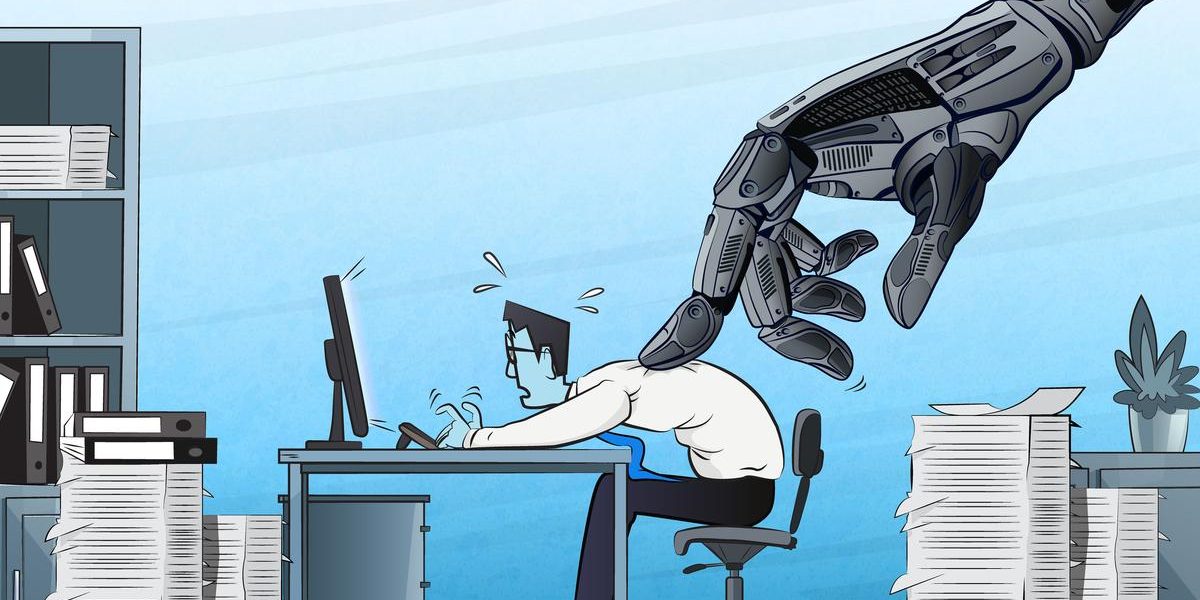
For instance, a 38% increase in job losses has been reported in sectors where AI is heavily used, such as manufacturing and customer service. This has led to widespread resentment among employees, who feel that their roles are being automated without adequate compensation or retraining.
A Call for Accountability
The recent decline in corporate trust in AI is, in part, a reaction to the perceived lack of accountability among AI vendors and developers. Many businesses feel that they have invested heavily in AI solutions that have failed to deliver on their promises, leaving them with significant financial losses and little recourse.
What this means: Businesses will need to hold AI vendors accountable for their products and services, ensuring that they are transparent about the capabilities and limitations of AI solutions. This will involve demanding more robust testing, evaluation, and validation processes to prevent unfulfilled promises and mitigate the risks associated with AI adoption.