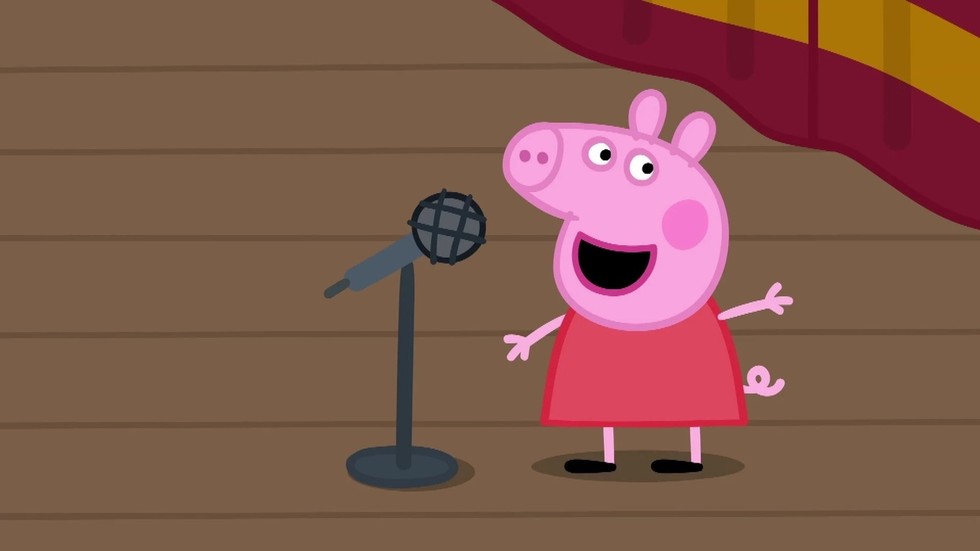
Peppa Pig voice actors are being asked to relinquish their AI voice rights to Hasbro, sparking concerns over child performer protections.
Hasbro, the US entertainment giant behind the beloved animated series, is reportedly seeking permission from child voice actors to use their voices for artificial intelligence (AI) projects. This move has sparked heated debate, with critics questioning the ethics of seeking AI voice rights from minors.
The controversy centers around the fact that the AI voice rights would allow Hasbro to commercialize the children’s voices without their consent or compensation. This raises concerns about child performer protections and the potential for abuse.
**AI voice rights: a lucrative industry**
The use of AI voices is becoming increasingly common in the entertainment industry, with companies like Hasbro seeking to capitalize on the trend. The AI voice rights market is expected to reach **$14.4 billion** by 2028, with many companies hoping to profit from the use of AI-generated voices.
**What this means**
For parents and child advocates, this development serves as a stark reminder of the need for stronger protections for child performers. The fact that Hasbro is seeking AI voice rights from minors without their consent raises serious concerns about the exploitation of children in the entertainment industry.
The debate over AI voice rights highlights the need for more stringent regulations and safeguards to protect child performers. As the use of AI voices becomes more widespread, it’s essential that we prioritize the well-being and rights of the children involved.
**Children’s charities weigh in**
The UK-based children’s charity, NSPCC, has expressed concerns about the potential risks associated with AI voice rights. “Children’s voices are their own, and it’s essential that they have control over how their voices are used,” a spokesperson said.
The issue has also sparked a petition calling for stronger protections for child performers and their AI voice rights. As the debate continues, one thing is clear: the use of AI voices raises complex questions about consent, exploitation, and the rights of child performers.