Collaborative Architecture: Harnessing Nature’s Blueprint
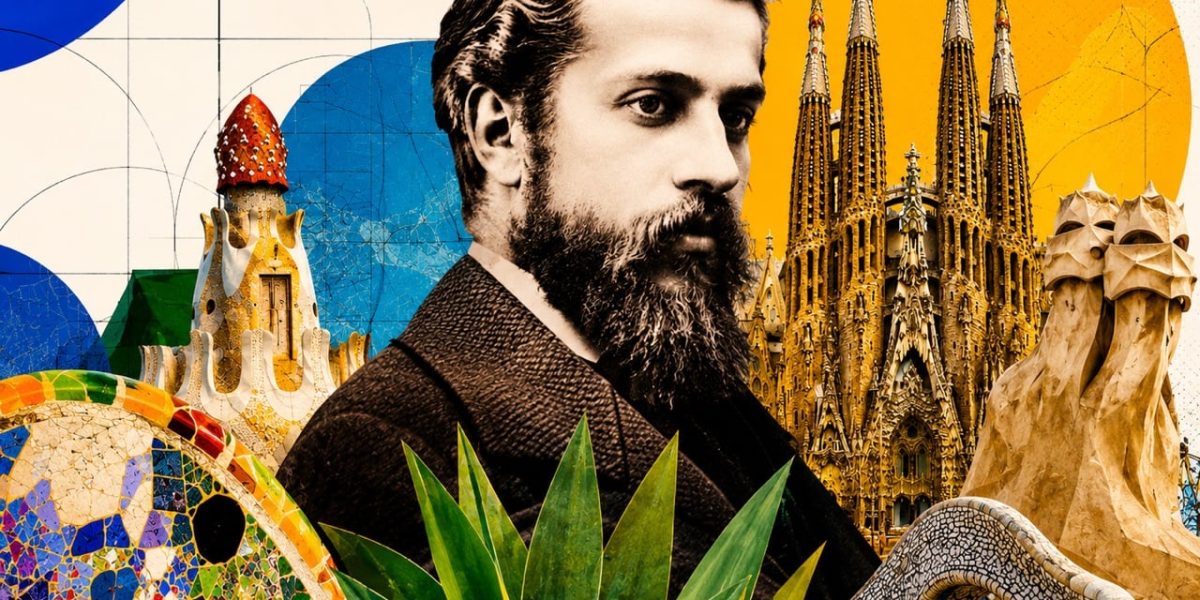
Spanish architect Antoni Gaudi didn’t just draw inspiration from nature; he attempted to merge human design with the underlying principles of the natural world. Recent advancements in generative AI and computational design are making it possible to distill the essence of Gaudi’s philosophy into a practical design system.
Embracing Biomechanics
Imagine an architectural framework where trees and branches guide the distribution of weight, much like a tree’s canopy distributes the force of wind. This biomechanical approach to design has led to innovative solutions, such as self-supporting bridges and adaptable buildings that mimic the resilience of living organisms.
Researchers have developed AI-powered generative algorithms that can analyze the structural patterns of natural systems, like a forest or a coral reef, and apply those principles to human-made structures. This fusion of organic and synthetic design has the potential to revolutionize the way we build.
AI-Powered Design: An Evolution of Gaudi’s Vision
One of the key figures behind this development is Andrea Stinga, a computational designer who’s worked with architects and engineers to integrate AI into their workflows. With the help of generative AI, designers can now experiment with complex biomimetic forms and analyze their structural integrity, leading to more efficient and sustainable buildings.
For instance, researchers have successfully used AI to design a 2,000-square-meter building that could be constructed using minimal materials while distributing its weight in a way that mirrors the branching patterns of a tree.
What this means: As we continue to push the boundaries of AI-driven design, we may see a new generation of buildings that not only rival but surpass the sustainability and resilience of their natural counterparts. By embracing the underlying principles of nature, we can create structures that are more adaptable and harmonious with their environment.
This collaboration between humans and AI has the potential to redefine the way we design and build, moving us closer to Gaudí’s original vision of a world where architecture is in harmony with the natural world.