Breakthrough in Fusion Energy Research: IBM, Oak Ridge, and Cleveland Clinic Team Up
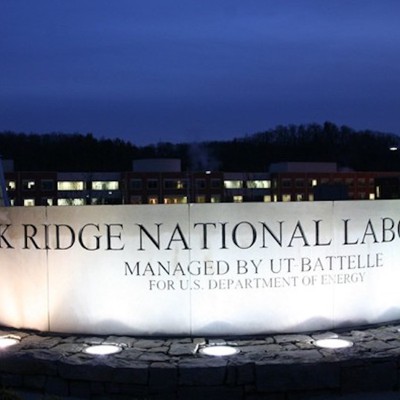
IBM, Oak Ridge National Laboratory, and the Cleveland Clinic have jointly announced a major breakthrough in fusion energy research, leveraging quantum computing to simulate complex molecular interactions. The team has successfully created the first known molecular simulation using quantum computing, a significant step towards harnessing the power of fusion energy.
The Quantum Leap
The research utilizes IBM’s quantum computing capabilities to model and analyze the behavior of molecules involved in fusion reactions. Oak Ridge National Laboratory provides expertise in high-performance computing and simulation, while the Cleveland Clinic brings its experience in applying computational modeling to biomedical problems. The collaboration aims to accelerate the development of practical fusion energy systems.
Fusion energy holds immense promise as a clean and nearly limitless source of power, but its complexities have long hindered its deployment. By applying quantum computing to molecular simulations, researchers can better understand the intricate processes involved in fusion reactions, paving the way for more efficient and controlled experiments.
What this means
This breakthrough has significant implications for the development of practical fusion energy systems. The ability to accurately model and simulate fusion reactions using quantum computing could lead to the creation of smaller, more efficient, and more cost-effective reactors. This could, in turn, make fusion energy a more viable alternative to traditional fossil fuels, contributing to a reduction in greenhouse gas emissions and mitigating climate change.
The joint effort demonstrates the potential of collaboration between industries and research institutions in advancing cutting-edge technologies. As the field of fusion energy research continues to evolve, this breakthrough serves as a testament to the power of interdisciplinary collaboration and the potential of quantum computing to drive innovation.
Towards a Sustainable Future
The successful completion of the molecular simulation marks a significant milestone in the pursuit of fusion energy research. With further advancements, we can expect to see more efficient and practical fusion energy systems emerge, bringing us closer to a future powered by clean, nearly limitless energy.