The FAA Taps Palantir for AI-Powered Runway Safety
The FAA has partnered with Palantir, a data analytics firm, to use AI in predicting and preventing runway incidents – a move that could transform the way the aviation industry addresses safety.
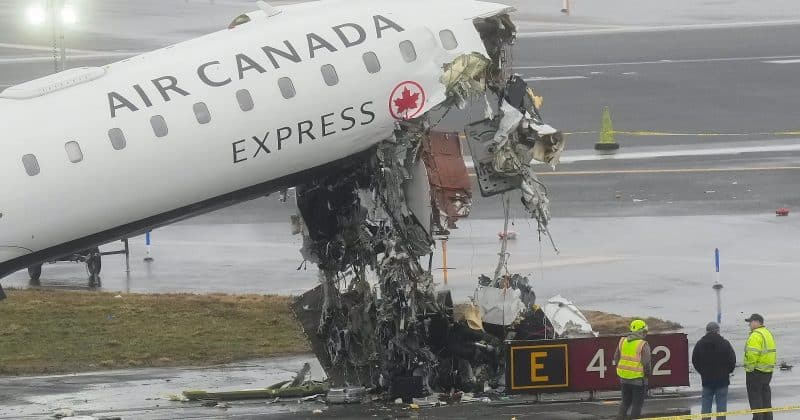
After a string of deadly accidents, the Federal Aviation Administration (FAA) is deploying Palantir’s AI platform to identify potential safety risks. The project is backed by a recent congressional grant, signaling a significant shift in the agency’s approach to integrating advanced technology in aviation safety.
Data-Driven Safety
The partnership aims to leverage Palantir’s data analytics capabilities to identify patterns and anomalies that may lead to runway incidents. By analyzing a vast amount of data, including weather conditions, air traffic control information, and aircraft maintenance records, the AI platform can predict potential safety risks and alert authorities to take preventive measures.
According to Palantir, its AI platform has already been tested with promising results, successfully identifying factors that contributed to recent runway incidents. However, the effectiveness of the system will depend on the quality and accessibility of the data fed into it.
Setting a Precedent
The FAA’s collaboration with Palantir could set a precedent for integrating AI in aviation safety, potentially reshaping industry standards. If successful, this partnership may inspire other regulatory agencies to adopt similar approaches, paving the way for a more data-driven and proactive approach to safety.
What this means: As the aviation industry continues to grapple with the challenges of safety and security, the FAA’s partnership with Palantir highlights the potential of AI in preventing runway incidents. If the partnership proves successful, it could lead to a fundamental shift in the way airlines and regulatory agencies approach safety, prioritizing data-driven decision-making and predictive analytics to mitigate risks.