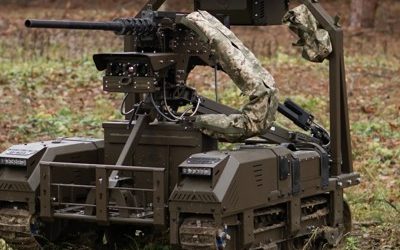
AI Researcher Yann LeCun’s candid admission: “We don’t have robots that are nearly as good at understanding the physical world as a rat.” This is a stark assessment from one of the leaders in the field of artificial intelligence.
Admitting AI’s Limitations
Yann LeCun, co-founder of Meta AI and a leading figure in AI research, has been making waves with his startup, Meta AI’s, efforts to develop a more flexible AI system. LeCun’s comments are a refreshing dose of reality in a field often dominated by hyperbole and overstatement.
LeCun’s statement highlights the current limitations of AI systems, which struggle to grasp the nuances of the physical world. This is a fundamental challenge that AI researchers have been grappling with for years, and one that LeCun’s team is trying to address with their new AI system.
A More Flexible AI System
LeCun’s startup is working on a new AI system that can learn and adapt in a more flexible way. This system, which is still in its early stages, aims to address the current limitations of AI by allowing it to learn from a wider range of inputs and adapt to new situations more quickly.
According to LeCun, this new system has the potential to revolutionize the way we interact with AI, making it more intuitive and user-friendly. However, it’s still early days, and much work remains to be done before this system can be widely adopted.
What This Means
LeCun’s comments serve as a reminder that AI is still a developing field, and there is much work to be done before we can truly say that AI is “smart.” However, by acknowledging the current limitations of AI and working to address them, researchers like LeCun are taking us one step closer to creating AI systems that can truly make a positive impact on our lives.
For now, the focus is on developing more flexible AI systems that can learn and adapt in a more intuitive way. As LeCun’s team continues to work on this project, we can expect to see significant advancements in the field of AI in the coming years.