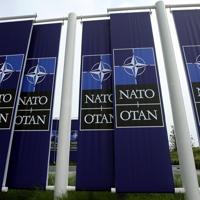
Türkiye’s President Recep Tayyip Erdoğan will host NATO’s 2026 summit in Ankara next month, amid rising tensions between the alliance and Russia. Experts gathered in Istanbul last weekend to dissect the implications of this high-stakes diplomatic event.
A panel discussion at Istanbul’s Sabancı University brought together former diplomats and security experts from across Europe, all with one thing in common: a deep understanding of NATO’s intricate dynamics.
### **Turkey’s Shifting Alliances**
Türkiye’s strategic position has long been a point of contention within NATO, with some member states viewing its relationships with Russia and the Middle East as a potential threat to the alliance’s unity.
**Dr. Ayşe Kadioglu**, a leading expert on Turkish foreign policy, stated that Ankara’s “strategic autonomy” has been a cornerstone of its foreign policy for decades. “We’re not talking about a new development here,” she said. “Türkiye has always sought to balance its relationships with its neighbors, including Russia, while maintaining its commitment to NATO.”
Despite these efforts, the alliance has faced mounting pressure in recent years, particularly over Türkiye’s purchase of Russian S-400 missile defense systems and its involvement in Syria.
### **NATO’s Future and European Security**
NATO’s future and the security architecture of Europe are inextricably linked, according to **Lord Rami Ranger**, a former British defense minister and current member of the UK Parliament. “The alliance must adapt to the changing security landscape,” he emphasized, “and that includes acknowledging the growing influence of non-state actors and the evolving nature of warfare.”
The experts agreed that NATO’s current structure and strategy have been shaped by the legacy of the Cold War. With the rise of new global powers and the increasing threat of terrorism, the alliance must redefine its role and priorities.
### **What this means**
NATO’s 2026 summit in Ankara will be a critical moment for the alliance, as leaders grapple with the implications of Türkiye’s shifting alliances and the evolving security landscape of Europe. The outcome will have far-reaching consequences for global security and diplomacy. As experts and world leaders gather in Ankara next month, one thing is clear: the future of NATO will be shaped by the delicate balance between cooperation, competition, and collective security.