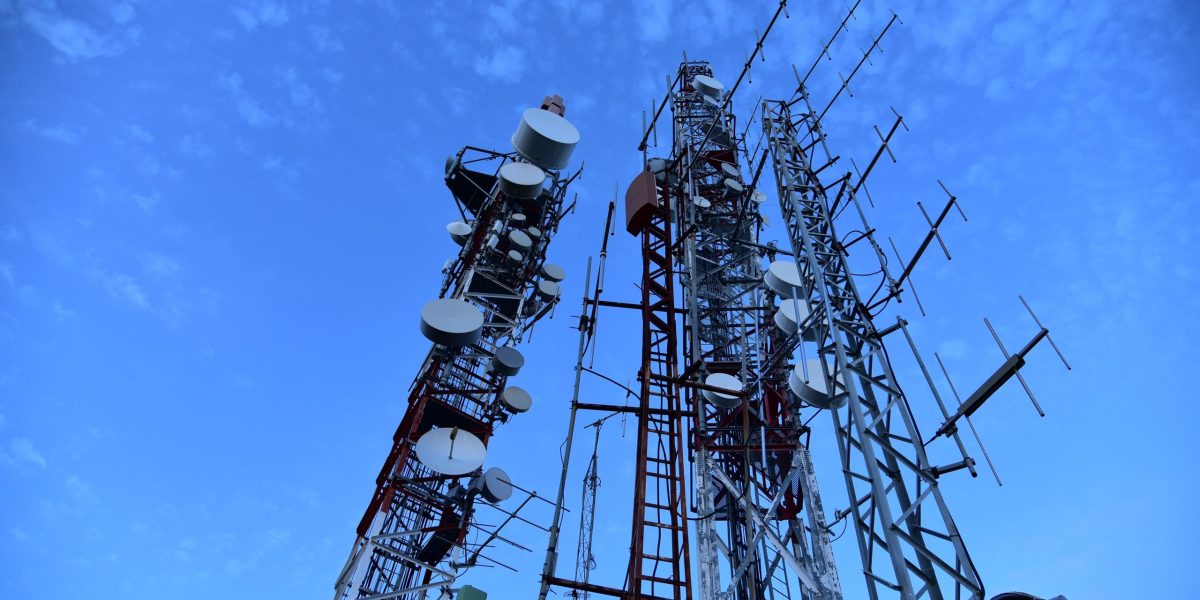
Vodafone Tests AI-Powered Robotic Mast, But Internal Adjustments Are the Future
Vodafone is currently piloting an AI-controlled robotic antenna that can automatically adjust and rotate mobile masts, marking a significant shift in network management.
The robotic mast is equipped with artificial intelligence that enables it to autonomously optimize antenna angles, allowing for improved wireless connectivity and reduced downtime. This innovation has the potential to alleviate the need for on-site engineers to manually adjust antenna positions.
From Robot Arms to Smart Components
While Vodafone’s AI robotic mast is an interesting development, the long-term goal lies in the integration of more sophisticated, adjustable internal antenna components. These smart components are designed to be more energy-efficient and can autonomously adjust their configuration based on real-time network demands.
This approach is likely to become the norm for future 4G and 5G networks, as it eliminates the need for physical adjustments to the exterior of mobile masts. Instead, internal components will be able to adapt and configure themselves to optimize network performance and efficiency.
A Smarter, More Efficient Future
Vodafone’s focus on AI-powered autonomous network management aligns with the broader trend towards smart and connected infrastructure. As networks become increasingly complex and demanding, the need for self-optimizing, real-time adjustments will only continue to grow.
This has significant implications for the wireless industry, as the ability to deploy autonomous, self-optimizing networks will likely reduce the need for manual intervention and engineer time. This, in turn, could lead to lower operational costs and improved network reliability.
What this means: As wireless networks become more sophisticated, internal, adjustable components will likely become the norm, reducing the need for manual adjustments and enabling more efficient, self-optimizing network management.