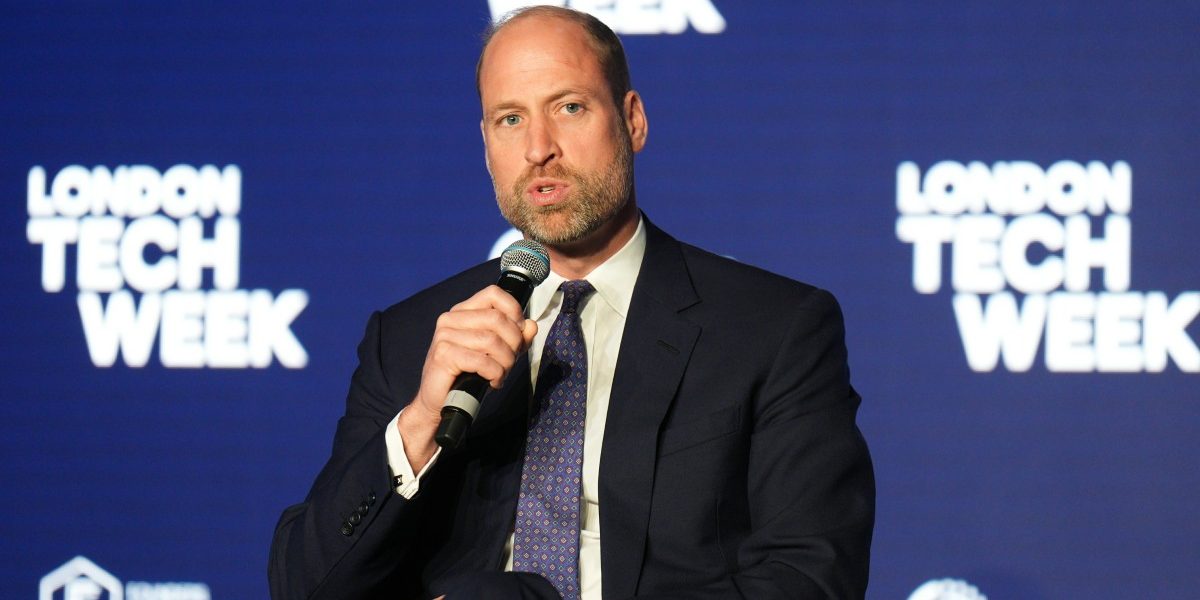
The Prince’s Pitch: Using AI to Predict and Prevent Homelessness
The Duke of Cambridge, Prince William, made a splash at London Tech Week with a panel discussion focusing on his pet project: tackling homelessness. He revealed an intriguing idea – harnessing the power of AI to analyze banking records and predict who might become homeless.
The Royal’s Recommendation
Prince William’s proposal suggests leveraging machine learning algorithms to analyze financial data, identifying patterns that could indicate an individual’s risk of becoming homeless. By pinpointing these high-risk individuals, authorities and social services could intervene early, providing targeted support to prevent homelessness.
The idea is backed by the Royal Foundation, a charity that Prince William co-founded with his siblings. The organization has been working with housing and financial experts to develop this AI-based solution. They’re not alone in exploring this approach – researchers and tech companies have been experimenting with similar concepts.
What this means
The implications of Prince William’s proposal are twofold. Firstly, it could help streamline services, allowing social workers to focus on the most vulnerable individuals. Secondly, it might reduce the financial burden associated with homelessness, as early interventions could prevent costly consequences like emergency accommodation and healthcare services.
While some might raise concerns about the use of AI in social services, Prince William’s initiative highlights the potential benefits of data-driven solutions in addressing complex social issues. His proposal also underscores the need for collaboration between government agencies, charities, and tech companies to find innovative solutions to pressing problems.
Next Steps
The Royal Foundation plans to pilot this AI-powered homelessness prevention tool, working with local authorities and housing experts to refine the system. Prince William’s initiative serves as a reminder that even in the tech sector, solutions to social problems require a human touch and a willingness to collaborate.