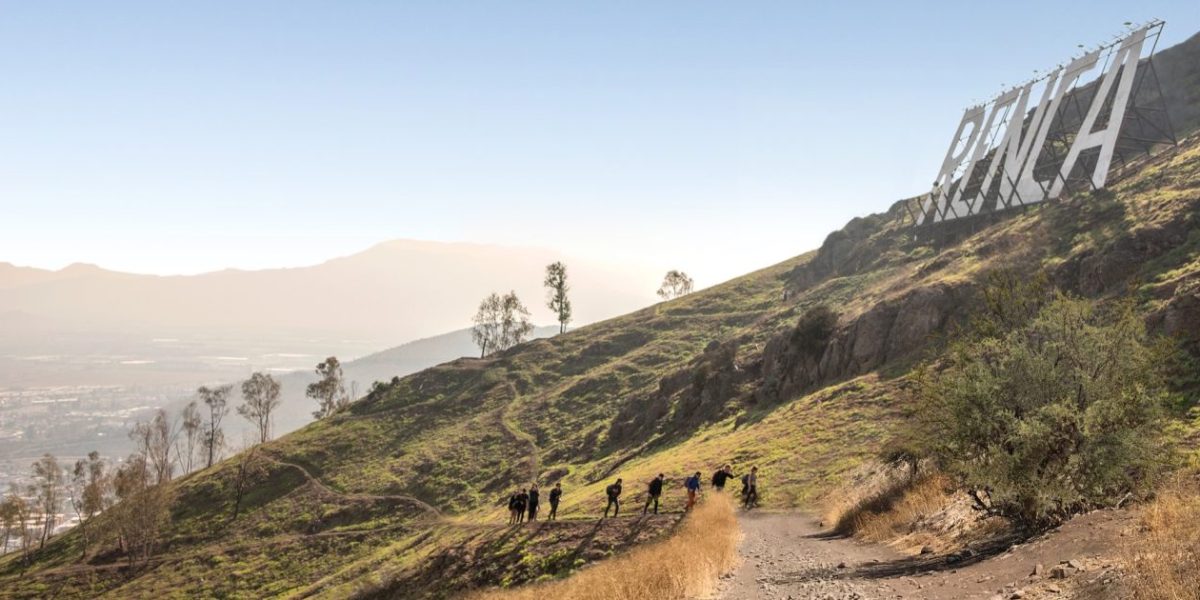
Environmental compensation is being used to restore Santiago’s Island Hills, a sprawling urban landscape in Chile, through a groundbreaking platform that combines technology and ecology.
The Cerros Isla Restoration Project
Catalina Picón, a landscape architect and co-founder of Fundación Cerros Isla, has embarked on a mission to revive this unique landscape through innovative environmental compensation strategies. The project, which spans over 100 hectares, aims to balance urban development with ecosystem conservation. By leveraging cutting-edge technology, the team is able to assess, restore, and monitor the site’s environmental health in real-time.
Environmental compensation, a regulatory requirement imposed on companies to mitigate their ecological footprint, has become the foundation of the Cerros Isla restoration platform. By integrating this concept, Picón’s team has created a holistic approach that promotes eco-friendly design and sustainable land use.
Using AI for Environmental Monitoring
The project relies heavily on artificial intelligence (AI) to monitor and analyze the site’s ecosystem. By employing sensors and drones, the team can track changes in vegetation, wildlife, and soil health, providing actionable insights for targeted restoration efforts. This data-driven approach enables efficient decision-making and maximizes the impact of environmental compensation initiatives.
AI not only aids in monitoring but also facilitates prediction models, helping the team anticipate and mitigate potential environmental risks. This proactive approach ensures that the restoration efforts remain effective and sustainable in the long term.
What this means
The Cerros Isla restoration project demonstrates the potential of environmental compensation as a landscape strategy. By incorporating AI and technology, the team has created a replicable model for balancing urban development with ecological conservation. This pioneering approach can serve as a template for similar projects worldwide, showcasing the positive impact of integrating technology with environmental sustainability.