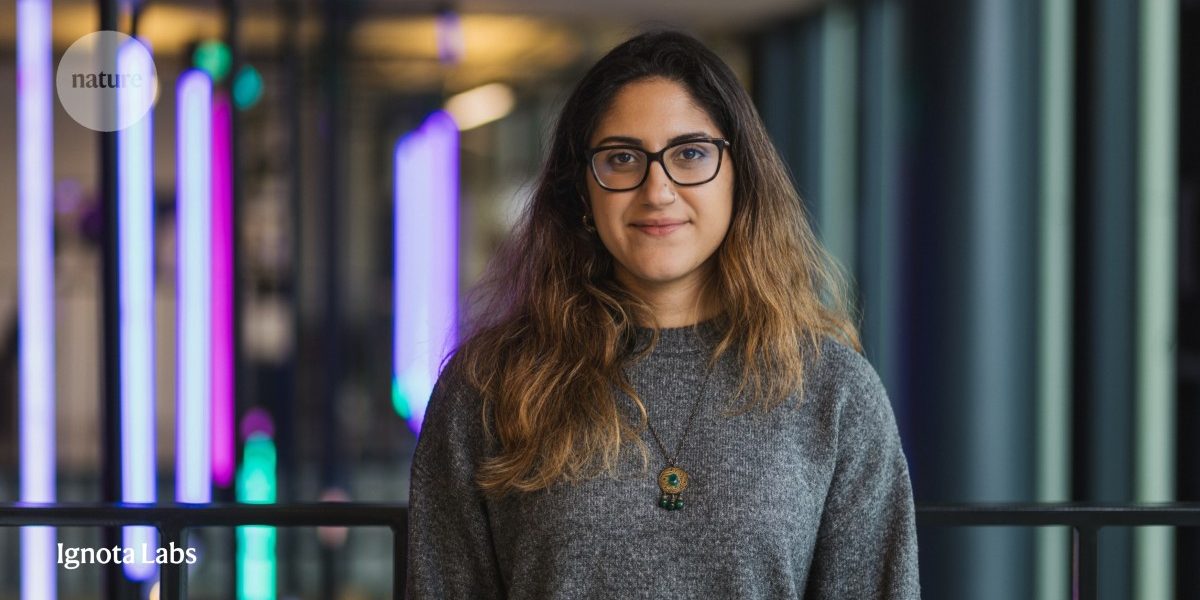
Researchers have spent years – and millions of dollars – developing therapies that ultimately fail to reach patients. For Layla Hosseini-Gerami, a leading expert at Ignota Labs, this is a problem she’s determined to solve.
A chemist by training and a bioinformatician by profession, Hosseini-Gerami has found a way to use AI modeling to breathe new life into abandoned therapeutics. By merging the disciplines of chemistry and biology, she’s successfully identified and revived failed drugs that were once deemed too toxic for human consumption.
AI-assisted therapeutics
The approach relies on AI to sift through vast amounts of data and identify hidden patterns within the molecular structures of failed drugs. By analyzing these structures in conjunction with biological data, Hosseini-Gerami’s algorithms can pinpoint the precise issues that led to their demise.
In essence, the AI is essentially asking: ‘What if I tweak this particular bond or adjust this specific molecular interaction?’ By iterating through a virtually unlimited number of possibilities, the algorithm can propose novel changes that might just overcome the toxicity issues and restore the drug’s efficacy.
From abandoned to approved
Hosseini-Gerami’s work has yielded some remarkable results. By leveraging AI-driven insights, she’s been able to resurrect failed therapeutics that were once thought to have ‘huge potential’. This has not only saved companies the financial burden of discarding abandoned projects but also brought new hope to patients who might otherwise have been left without effective treatment options.
The impact of this approach, Hosseini-Gerami argues, will be far-reaching. By repurposing failed drugs, researchers can accelerate the discovery of new medicines while reducing the financial and time-related risks associated with traditional drug development.
What this means
Patients may benefit from faster access to new treatments, as Hosseini-Gerami’s AI-driven approach streamlines the development process. Companies can also look forward to reduced costs and lower risks, as they repurpose failed therapeutics that were once deemed too toxic or ineffective. It’s a testament to the power of interdisciplinary collaboration, where AI, chemistry, and biology come together to reshape the future of medicine.