Global trade just proved its strength, defying predictions of collapse amidst the ongoing crisis in West Asia. According to a recent World Trade Organization (WTO) report, international merchandise trade volumes held steady in the first six months of 2026.
The West Asia Conflict: A Trade Headwind
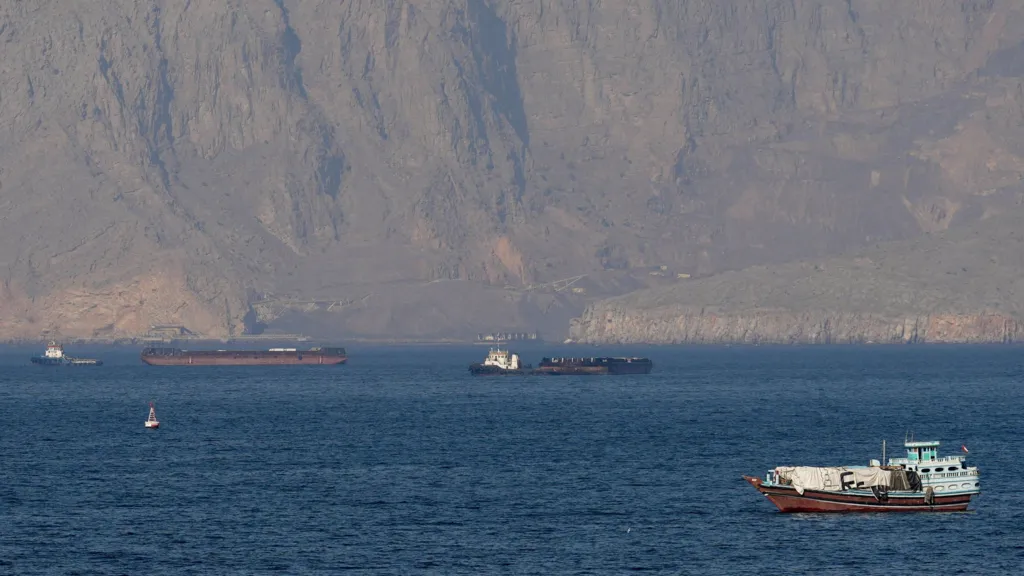
The ongoing conflict in West Asia has been a major concern for global trade, with many predicting that it would disrupt supply chains and send trade volumes plummeting. While it’s true that the conflict has caused some economic uncertainty, its impact on global trade appears to have been less severe than expected.
The WTO report notes that the trade landscape has been shaped by a complex interplay of factors, including the growing demand for advanced technologies like artificial intelligence (AI). As more countries invest in AI and related industries, new trade opportunities are emerging.
AI: The Unsung Hero of Global Trade
One of the key drivers of global trade resilience in 2026 is the growing demand for AI-related goods and services. As countries look to harness the power of AI to drive economic growth, international trade in AI-related products has surged.
According to the WTO report, trade in AI-related goods and services grew by **23%** in the first half of 2026 compared to the same period in 2025. This growth is being driven by a range of factors, including increased investment in AI research and development, as well as the adoption of AI-powered technologies in key industries like manufacturing and logistics.
What this means
For businesses and policymakers, the resilience of global trade in the face of the West Asia conflict is a welcome development. It suggests that the global economy is more adaptable and resilient than previously thought, and that trade opportunities continue to emerge in key sectors like AI.
Looking ahead, the WTO report suggests that trade volumes are likely to remain strong in the second half of 2026, driven by continued growth in AI-related trade and the ongoing recovery in other key sectors. As the global economy continues to evolve, one thing is clear: AI will remain a key driver of trade and economic growth for years to come.