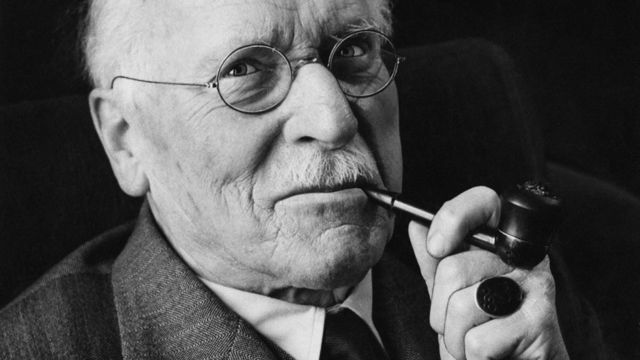
Carl Jung’s Insights on Creativity Spark New AI Research
Psychologist Carl Jung’s ideas on the collective unconscious have long fascinated artists, writers, and musicians. Now, AI researchers are exploring how his theories on creativity can inform the development of more human-like AI systems.
According to a recent paper, Jung’s concept of the “personal unconscious” – the unique set of memories, experiences, and biases that shape an individual’s thoughts and behaviors – holds lessons for AI systems seeking to create original content. The researchers argue that by integrating Jung’s ideas into AI design, machines could become more adept at generating artistic works that resonate with humans.
The concept of the collective unconscious, where universal symbols and themes are shared across cultures and time, also has implications for AI creativity. By tapping into this collective reservoir, AI systems could potentially create content that feels more authentic and connected to human experience.
AI systems are starting to demonstrate an uncanny ability to mimic human creativity. For example, AI-generated music and art are increasingly being displayed in galleries and concert halls. However, critics argue that these works often lack the emotional depth and nuance that comes from human experience and emotions.
Researcher **Dr. Rachel Kim** is working on a new AI model that incorporates Jung’s ideas on the personal unconscious. “We’re trying to create an AI system that can tap into the unique experiences and emotions of its users,” she explains. “By doing so, we hope to create content that is more relatable, more authentic, and more beautiful.”
What this means: The integration of Jung’s ideas into AI research could lead to more human-like AI systems capable of creating artistic works that resonate with humans on a deeper level.