SpaceX is Scouting Multiple Texas Sites for a Massive Data Center, Doubling Down on AI Ambitions.
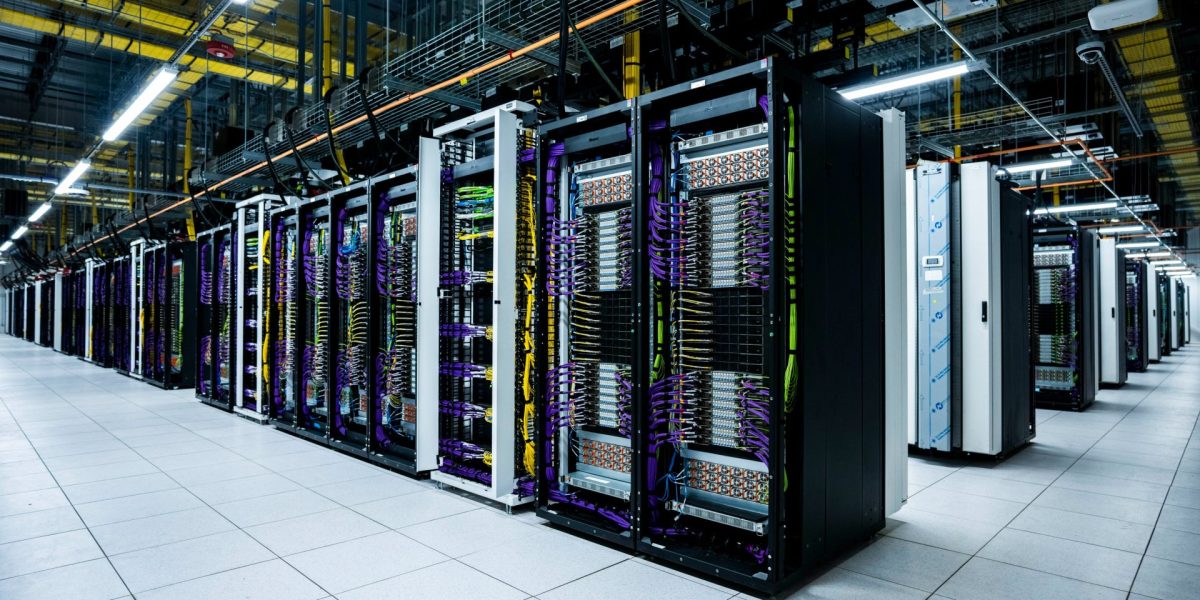
The California-based private space exploration company SpaceX, co-founded by Elon Musk, is reportedly planning to build a large-scale data center in Texas, according to a recent scoop from The Information. This move marks a significant expansion of the company’s computing capacity, as it continues to aggressively pursue its artificial intelligence (AI) ambitions, particularly after the recent absorption of AI startup xAI.
The planned data center, expected to be a massive facility, will likely serve as a hub for SpaceX’s AI operations, supporting its various initiatives, including the development of advanced AI algorithms, data analysis, and machine learning models. The company has been increasingly focused on leveraging AI to drive its mission to reduce the cost of accessing space, improve launch efficiency, and enhance its Starlink satellite internet service.
The exact locations being considered in Texas are not yet clear, but industry insiders suggest that the sites are likely to be located near major highways and power grids to ensure efficient logistics and energy supply.
What this means is that SpaceX’s AI ambitions are becoming more concrete, with a significant investment in infrastructure to support its operations. This move will likely attract more talent to the AI space, as the company’s commitment to AI will serve as a magnet for researchers and engineers looking to work on cutting-edge projects.
However, this development also raises questions about the potential competition between SpaceX’s AI operations and those of other companies, including major players in the tech industry. As AI becomes increasingly central to the space industry, the stakes are rising, and the competition for talent, resources, and market share is becoming more intense.
The planned data center is a testament to SpaceX’s commitment to AI, and its efforts to establish itself as a major player in the field. With this move, the company is signaling its intent to push the boundaries of what is possible with AI and to drive innovation in space technology.