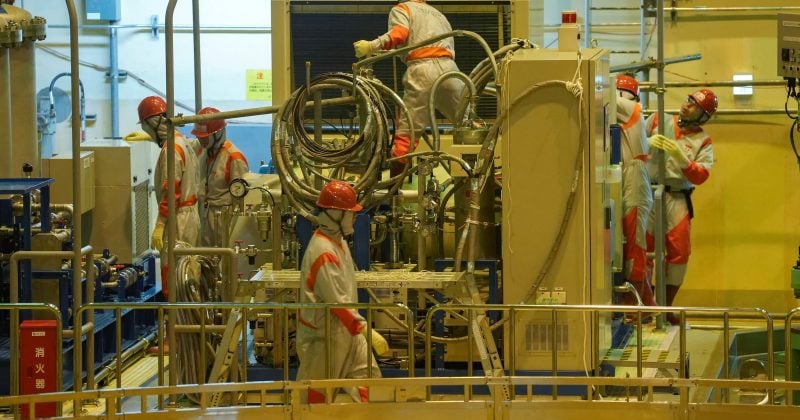
A proposed nuclear reactor rebuild in Japan, aimed at meeting soaring power demands, is a stark reminder that energy security trumps climate concerns for many governments.
Japan’s Ministry of Economy, Trade and Industry (METI) has drafted a plan to replace existing nuclear reactors with newer, safer models, setting a target of up to **14 new reactors** by 2050. The move comes as the country grapples with rapidly increasing power demands driven by technological advancements and a growing population.
Back to Nuclear
The decision marks a strategic shift for Japan’s energy policy, which had been shifting away from nuclear energy in the years following the **2011 Fukushima disaster**. The devastating accident led to the shutdown of many reactors, and Japan has since been reliant on imports to meet its energy needs.
However, with the global transition to renewable energy sources accelerating, Japan is facing a stark reality: it needs a reliable and scalable source of power to meet rising demands. Nuclear energy, despite its risks, offers a unique combination of low operating costs and high energy density.
Sustainability vs. Energy Security
The debate around nuclear energy is a classic example of the trade-off between sustainability and energy security. While nuclear power is a low-carbon source of energy, the process of extracting and processing uranium poses environmental and health risks.
In contrast, renewable energy sources like solar and wind are becoming increasingly cost-competitive, but they are still intermittent and require significant infrastructure investments. For many governments, the pressing concern is ensuring a stable energy supply rather than meeting ambitious climate targets.
What This Means
The nuclear reactor rebuild in Japan highlights a worrying trend: governments are willing to sacrifice climate ambitions for energy security. As the world grapples with a growing energy deficit, expect more countries to turn to nuclear power, at least in the short term, to meet their energy needs.