**US Economy Takes a Hit as Iran Conflict Escalates Energy Prices**
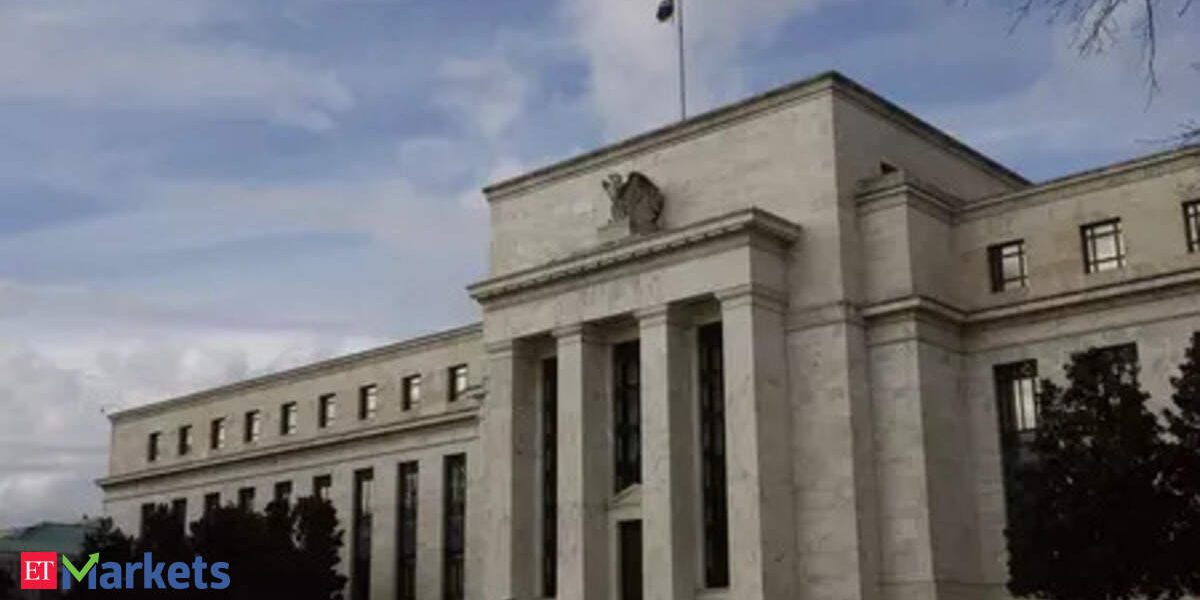
The US Federal Reserve has just announced that inflation is rising at a “moderate to strong pace”, and it’s all thanks to the ongoing conflict in Iran. Energy costs are surging, disrupting supply chains and forcing businesses to pay more for raw materials.
The Iran war is sending shockwaves through the global energy market, causing oil prices to skyrocket. This, in turn, is driving up costs for everything from gasoline to manufacturing inputs. It’s a ripple effect that’s felt all the way through the economy, hitting consumers and businesses alike.
**Higher Prices Hit Consumers Hard**
But it’s not just the wealthy who are feeling the pinch. As consumer spending shows widening inequality, those at the lower end of the income scale are being hit the hardest. They’re the ones who spend a larger percentage of their income on basic necessities like food and housing, which are becoming increasingly expensive.
Supply Chain Disruptions Add to the Problem
Supply chain disruptions caused by the Iran war are making things even worse. With oil prices soaring, businesses are having to pay more to transport goods, which is driving up costs and forcing them to pass the burden on to consumers. It’s a classic example of how conflicts in one part of the world can have far-reaching consequences for people on the other side of the globe.
**What this means**: As tensions in Iran continue to escalate, expect energy prices to remain high, and inflation to keep rising. This will likely lead to increased prices for everyday items, making life even tougher for those already struggling to make ends meet.
**The Bottom Line**: The Iran conflict is having a profound impact on the US economy, and it’s not just energy prices that are affected. The ripple effects are being felt across the entire economy, and it’s up to policymakers to find a solution to mitigate the damage.